
Zach describes his cave story as “about a lifelong dream coming true.”
We met by chance at a Starbucks in Makati City, but his journey began in Austin, Texas, where he worked as a professional caver. Since then, his travels have taken him to different underground worlds, including the Philippines, where he explored the Pinagrealan Cave in Norzagaray, Bulacan.
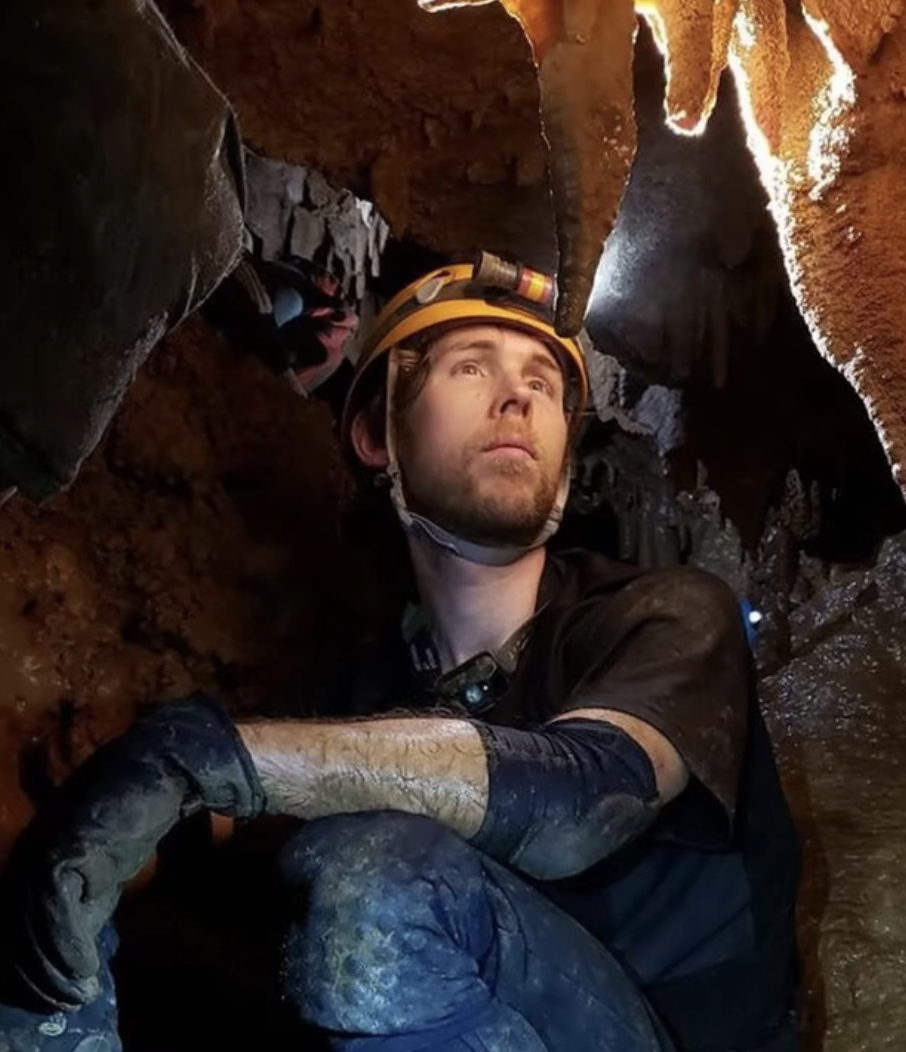
Photo: Zach
What makes his story remarkable isn’t just the depth of the caves he’s explored, but the fact that Zach is visually impaired. He can’t see out of his right eye, and his left eye has only partial vision.
But he can see light perfectly fine, and for Zach, that’s not just about vision—it’s about perspective.
How curiosity became a career
Zach didn’t start with access to caves or professional equipment. What he did have was curiosity and the willingness to dive in when opportunity appeared.
He got his start through friends named Dylan and Justin, who introduced him to professionals in the caving industry and helped him connect with researchers working on hydrogeology projects.
“We talked about caves, they showed me their project, and then invited me to come and see the hydrogeo caves they work on,” he shares with WhenInManila.com. “I took so quickly to equipment that I’d never even heard of before. Justin loved it—he said he’s never met anyone like me who learns so fast. Then he invited me to work with them on their projects.”
And those projects weren’t just for fun—they were science. In one cave, Zach helped dig out a space to make it more accessible for biology research.
“We’re digging out a cave to make it more accessible for biology research. It’s filled with cave-adapted species in its own self-contained subterranean ecosystem. There are lots of these to find in the wild.”
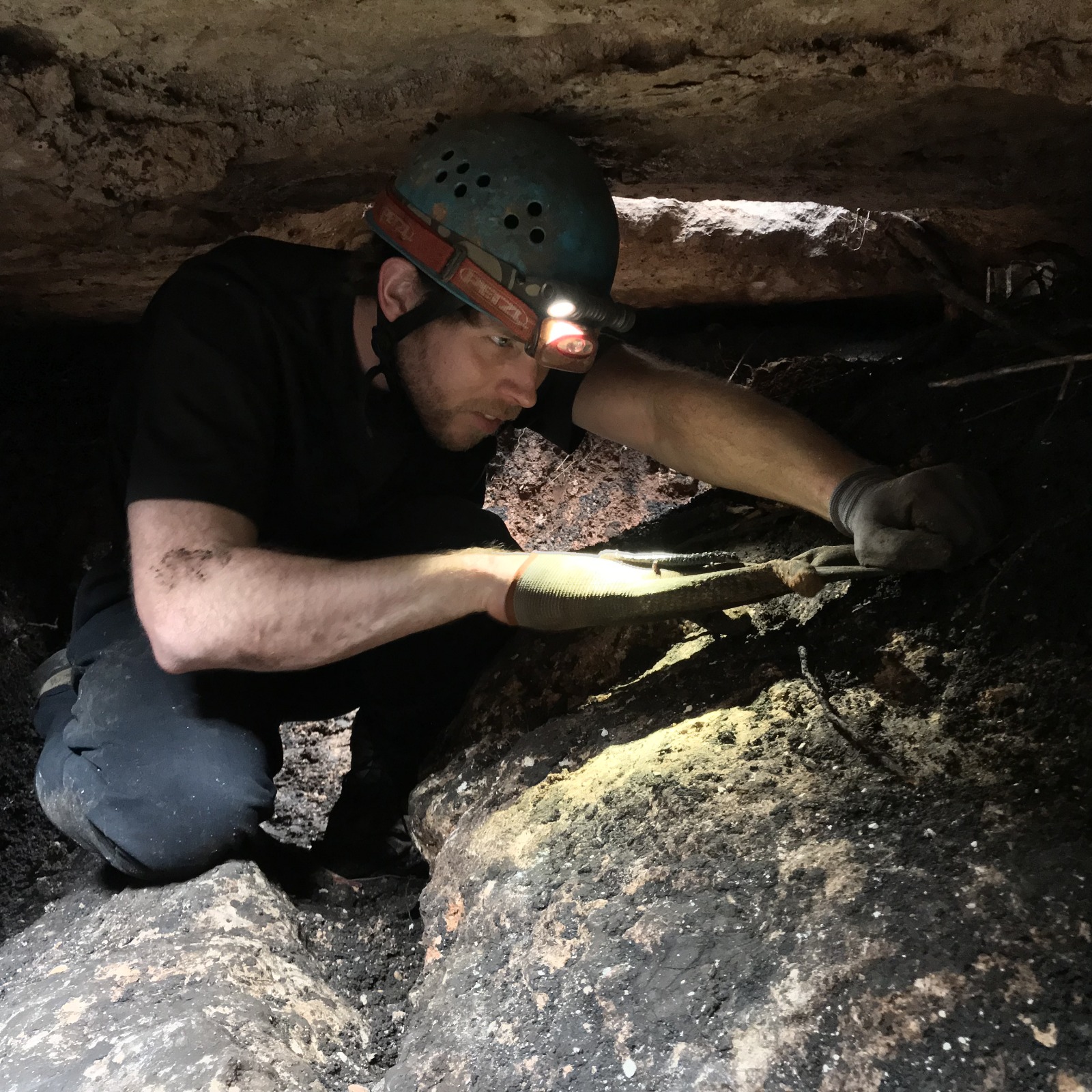
Photo: Zach
On another project, he collected environmental data. “We are there to collect data from instruments we’ve left inside the cave. We analyze it in the lab to look at pollution and other contaminants that find their way into the groundwater. We write reports on this for the city.”

Photo: Zach
His first real descent into the field was at a place called Wooden Derrick—a 50-foot vertical tube that drops straight down before opening into a chamber where you can stand and walk.
“This was my first ever drop in the field,” he recalls. “This was so early. I didn’t have my professional equipment yet. I’m using that old mask, those old gloves, and all of that climbing equipment is borrowed.”
It wasn’t polished or comfortable. But it was enough to start. And for Zach, starting was everything.

Photo: Zach
Zach’s exploration of caves in Bulacan was very different from the caves he worked in back in Austin. Unlike the vertical drops and tight technical passages he was used to, Pinagrealan allowed him to move mostly by walking and standing upright. It didn’t demand the same level of rope work or specialized maneuvering.
Compared to the research-driven and physically demanding cave systems in Texas, many of the tourist-accessible caves in the Philippines feel more relaxed and controlled. They’re designed to be approachable—guided, structured, and safe for beginners.
For someone with a professional background in technical caving, that difference is noticeable, but that contrast hasn’t taken away his appreciation for being here.
Moving forward
Being visually impaired didn’t stop him.
“In caves, everyone relies on artificial light anyway,” he explains. “So in a way, we’re all working with the same conditions.”
He talks about feeling the rock with his hands, noticing subtle changes in airflow, and moving carefully through passages. Caving to him isn’t about overcoming limits—it’s about participating fully, safely, and curiously.
Caves are time capsules. Underground, there’s no signal, no sun, no rush. Just rock, water, and passage, and that’s exactly the appeal for a lot of people.
For Zach, it’s about being part of something bigger, moving through it carefully, learning from it, and respecting it.
“You’re along for the ride,” he says, “literally and figuratively.”
Thinking of trying it yourself?
If Zach’s story sparks your curiosity, here’s a practical guide for beginners:
-
Start with horizontal caving. Walking, crawling, and scrambling through caves is perfect for first-timers.
-
Go with a guide or an experienced group. They handle safety, navigation, and equipment.
-
Gear up. A helmet with a headlamp, gloves, knee pads, boots, and durable clothes are essentials. Guides usually provide the rest.
-
Pack smart. Water, snacks, and a small bag for essentials are enough.
-
Respect the cave. Don’t touch formations, never leave trash, and follow “leave no trace” principles.
-
Listen to your body and your team. It’s okay to stop or turn back if something feels off.
The Philippines offers incredible spelunking experiences for beginners and seasoned adventurers alike:
-
Puerto Princesa Underground River in Palawan – A UNESCO World Heritage Site known for its stunning limestone formations and underground river system.
-
Sumaguing Cave in Sagada – Famous for its dramatic rock formations and challenging routes.
-
Hinagdanan Cave in Bohol – An accessible limestone cave with a natural underground pool.
-
Callao Cave in Cagayan – Known for its cathedral-like chambers and scenic surroundings.
-
Calinawan Cave in Rizal– A historical cave with multiple chambers ideal for guided tours.
Back to the light
Zach’s story isn’t about defying limits. It’s about curiosity, showing up, and learning quickly when opportunity arises.
And underground—or anywhere in life—sometimes that’s all you really need.
ALSO READ: Planning to Travel More in 2026? These Travel Trends Are Big This Year
What are your thoughts on this? Let us know in the comments.
Do you have a story for the WhenInManila.com Team? Email us at wheninmanila@gmail.com or send us a direct message at WhenInManila.com’s Facebook Page. Interact with the team and join the WhenInManila.com community at WIM Squad, and join our Viber group to stay updated with the latest around the Philippines and beyond!