A viral video making rounds online over the weekend has caught the attention of both netizens and the National Historical Commission of the Philippines (NHCP).
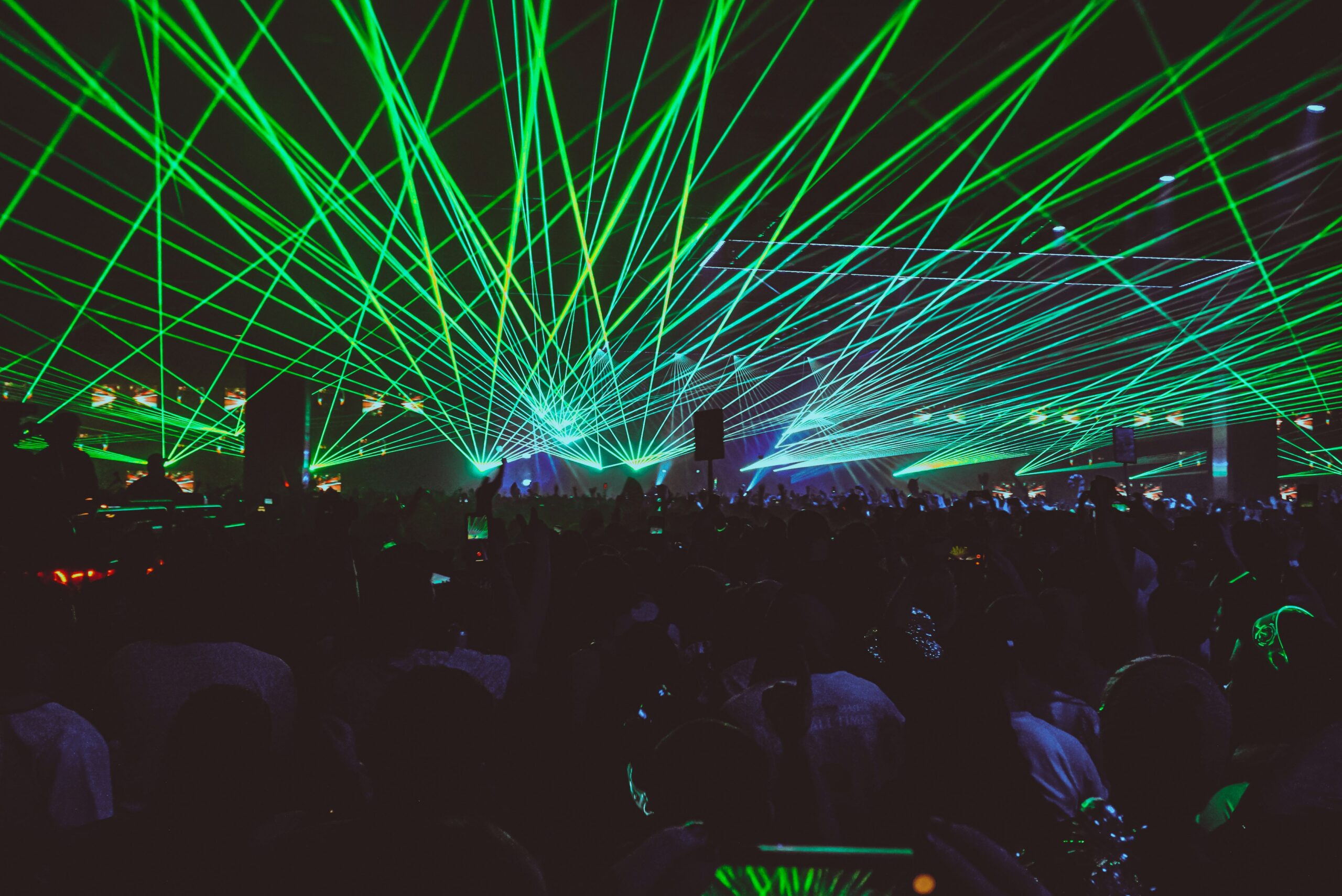
Photo: Zachary Smith/Unsplash
In the clip, a group of people can be seen jumping and dancing as they sing along to a remixed, upbeat version of “Lupang Hinirang,” the Philippine National Anthem. The video quickly sparked conversation across social media, with many users expressing concern over how the anthem was used in the setting.
Some commenters described the act as disrespectful, pointing out that the national anthem carries symbolic meaning tied to the country’s identity and history. Others also noted that altering or remixing the anthem could raise legal concerns.
In response, the NHCP released a statement addressing the situation. While the agency said it was unable to confirm the exact location of the event, initial information suggests that the video may have been taken outside of the Philippines.
“Various leads [on] social media suggest that the rave party in question occurred around December 2025 in the United States,” the NHCP said.
Because of this, the NHCP explained that Philippine laws cannot be applied outside the country, which limits the possibility of legal action in this case.
“Considering that Philippine domestic laws cannot be applied extraterritorially, we are technically constrained from taking appropriate legal action on the incident,” they explained.
Still, the commission took the opportunity to remind the public, especially Filipinos living abroad, about Republic Act No. 8491, or the Flag and Heraldic Code of the Philippines. The law protects national symbols such as the flag, the national anthem, and the coat of arms from misuse.
“Sections 37 and 38 of RA 8491 in particular state that the [national anthem] (1) ‘whether played or sung, shall be in accordance with the musical arrangement and composition of Julian Felipe’ and (2) ‘shall not be played and sung for mere recreation, amusement or entertainment purposes,'” the NHCP said.
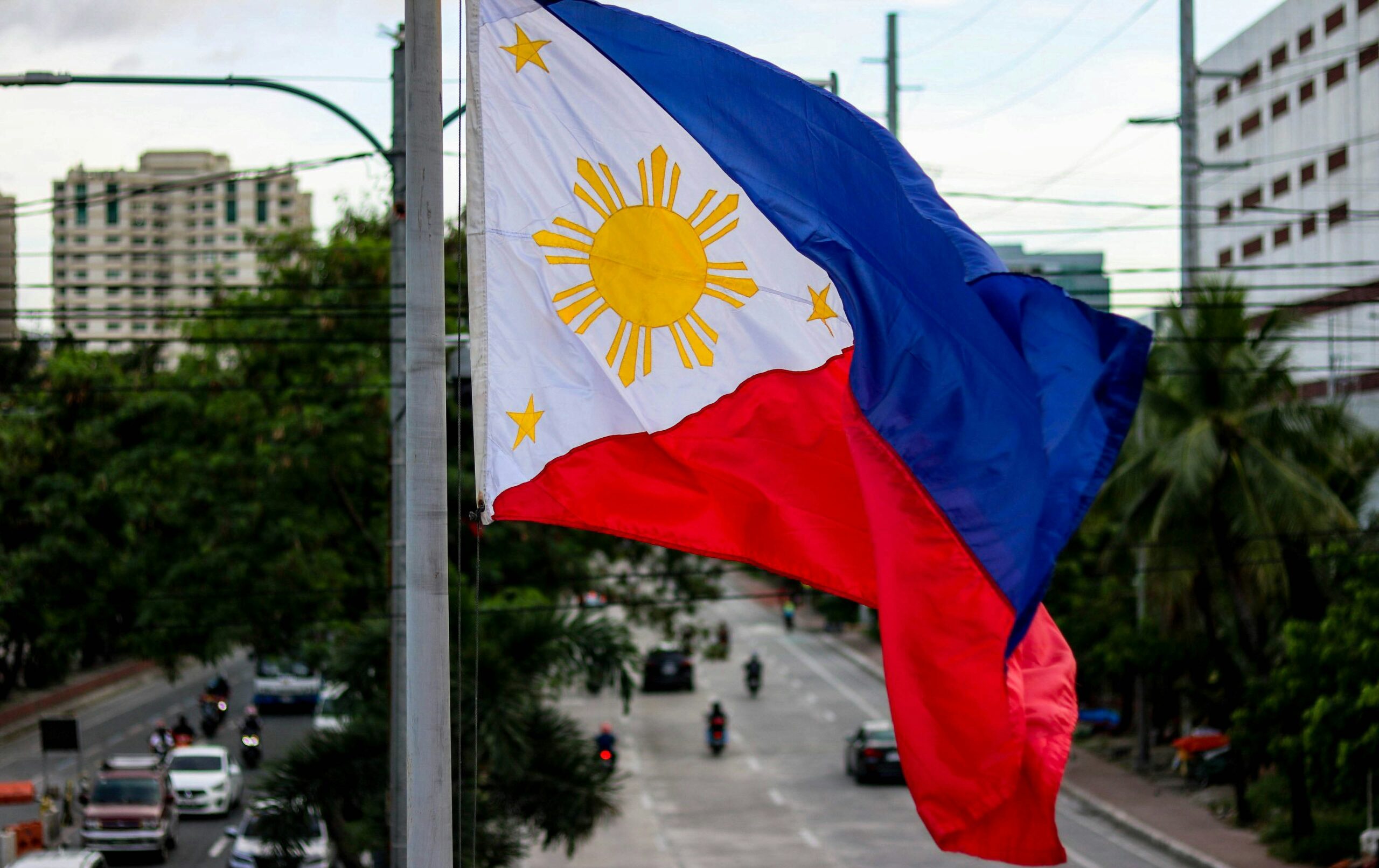
Photo: Unsplash
“The NHCP maintains that expressing love for one’s country might be done in good faith and sincere intent. While patriotic fervor may be exercised in many ways, it must be done with discretion and circumspection, and aligned with existing laws or culturally sensitive, as carelessness on our part may at times give the wrong impression or even cause offense, even when our original intent is to inspire and edify our countrymen,” they added.
Under the law, “Lupang Hinirang” is required to be performed according to the original musical arrangement by Julian Felipe and should not be used for entertainment, recreation, or altered presentations.
The NHCP also emphasized the importance of being mindful when expressing patriotism, noting that actions, even when intended to inspire, can sometimes be perceived differently depending on context.
It was also noted that the freedoms Filipinos enjoy today come with responsibility, alongside a reminder of the historical significance behind national symbols.
Violations of RA 8491 may result in fines ranging from ₱5,000 to ₱20,000, imprisonment of up to one year, or both, depending on the court’s decision.
ALSO READ: KWF Says “Filipinx” Doesn’t Belong in the Filipino Language — Here’s Why
What are your thoughts on this? Let us know in the comments.
Do you have a story for the WhenInManila.com Team? Email us at wheninmanila@gmail.com or send us a direct message at WhenInManila.com’s Facebook Page. Interact with the team and join the WhenInManila.com community at WIM Squad, and join our Viber group to stay updated with the latest around the Philippines and beyond!