
The month of June is typically associated with new beginnings and exciting challenges for students, teachers, and school personnel as they welcome a new academic year. However, a fatal shooting at San Jose National High School in Tacloban City that claimed the lives of three students and injured 20 others has sparked nationwide concern, particularly among parents.
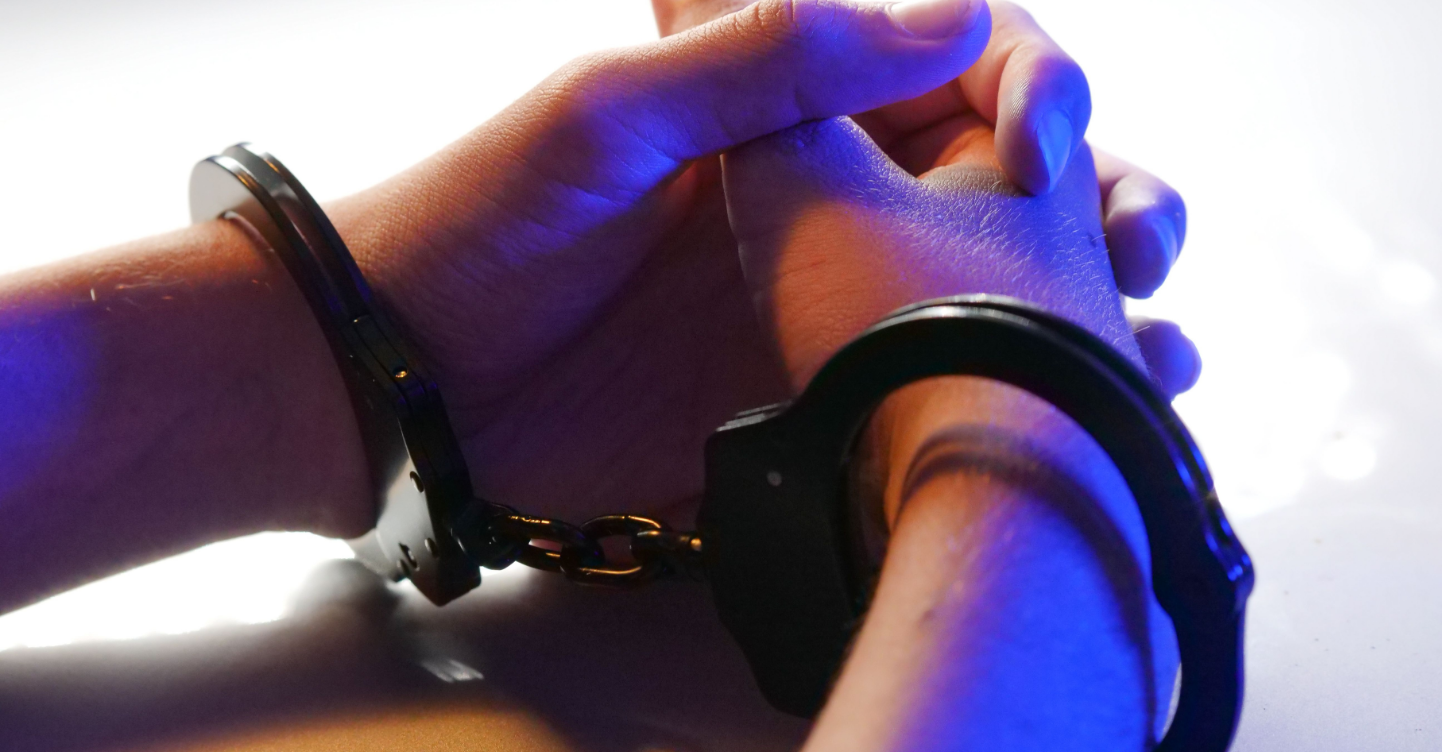
Photo: Pexels
A school shooting, which is an uncommon and largely unfamiliar occurrence in the Philippines, was carried out by two minor suspects, aged 14 and 15. As investigations continue, many Filipinos have brought the Juvenile Justice Law into public discussion.
However, many Filipinos remain uncertain about the Juvenile Justice Law. Here are some common misconceptions about it, along with simple explanations you should keep in mind:
1. A minor who commits a crime is automatically exempt from criminal liability.
According to Republic Act No. 9344, or the Juvenile Justice and Welfare Act of 2006, a child aged 15 or below is exempt from criminal liability but shall be subjected to an intervention program.
However, a child above 15 but below 18 may be held criminally liable if they committed the offense with discernment. This means that the child understood the nature and consequences of their actions.
If the child is proven to have acted with discernment, they shall be subjected to appropriate proceedings in accordance with the Act.
2. A minor aged 15 and below can simply walk away from the act without any consequences.
False. Being exempt from criminal liability does not mean a minor can simply “walk away” without any consequence.
A minor suspect is not immediately released; rather, they will go through the proper process in accordance with the law. Under the Juvenile Justice and Welfare Act, the child remains accountable and under State supervision and will be placed under intervention or rehabilitation programs that address their behavior and provide them with counseling and support.
Moreover, the victims and the families who were affected by the act will also receive appropriate assistance and support from the Department of Social Welfare and Development (DSWD).
3. The minor suspects involved in the Tacloban school shooting can walk away from the act without any consequences.
Based on the facts: the identified suspects in the fatal school shooting are aged 14 and 15.
Under the Juvenile Justice and Welfare Act, the 14-year-old minor cannot be criminally prosecuted. Instead, they are required to undergo an intervention or rehabilitation program focused on addressing their behavior, including counseling and education.
However, the 15-year-old minor involved may be held criminally liable, especially if prosecutors establish that the offense was committed with discernment.
Read more about the Juvenile Justice and Welfare Act here.
You may also watch this Facebook reel by Senator Kiko Pangilinan:
ALSO READ: Mobile Game Banned After the Tacloban School Shooting—What’s in it?
What are your thoughts on this? Let us know in the comments.
Do you have a story for the WhenInManila.com Team? Email us at wheninmanila@gmail.com or send us a direct message at WhenInManila.com’s Facebook Page. Interact with the team and join the WhenInManila.com community at WIM Squad, and join our Viber group to stay updated with the latest around the Philippines and beyond!