I didn’t know my daughter was autistic at first. I only knew development didn’t follow what I knew or expected.
Like other kids, she started babbling early and said “mama” and “papa” when she was around eight or nine months old. Before she even reached a year old, she went quiet.

Photo: Annie Spratt/Unsplash
Eye contact was also something I noticed early on. When I tried to get her to look at me, she would turn away, or her eyes would move around the room quickly. At the time, I thought she was easily distracted or uncomfortable with attention.
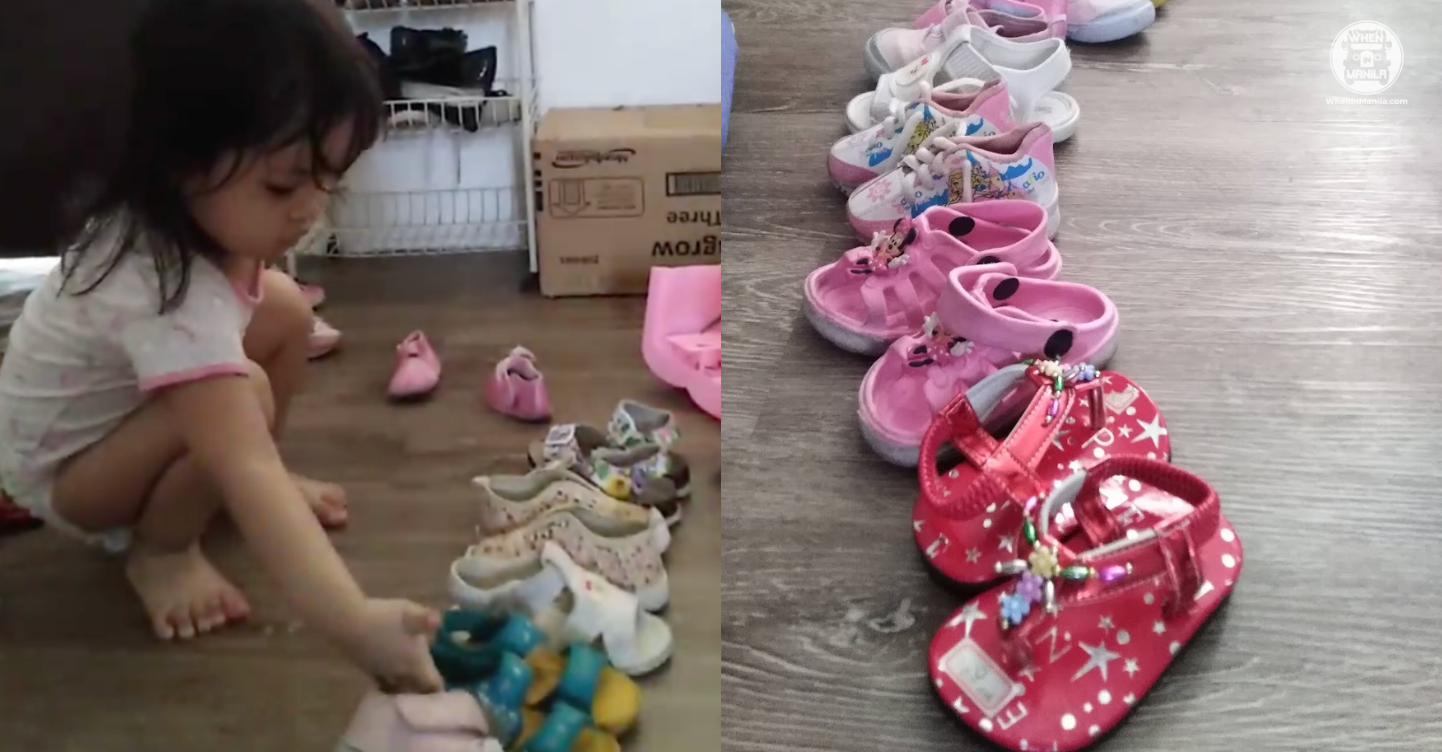
Photo: WhenInManila.com
There were other behaviors, too. She often walked on her tiptoes. And she had this habit of arranging her shoes in a straight line—carefully placed, consistent, and deliberate.
I didn’t think much of it then. It just seemed like a child exploring patterns in her own way.
Understanding autism
Autism spectrum disorder (ASD) is a developmental condition that affects how a person communicates, interacts, and experiences the world.
It’s called a spectrum because it doesn’t look the same for everyone. Some autistic individuals are verbal, others are not. Some need significant daily support, while others are more independent. Differences can also show up in sensory processing, communication styles, routines, and interests.
There isn’t one single way autism presents itself. It varies widely from person to person.
What I understood over time
Looking back, there were early signs I didn’t recognize as such at the time. The loss of speech after initial words, the consistent avoidance of eye contact, and the repetitive behaviors and preference for order.
What eventually led me to have her assessed was the growing gap between her and other children her age. She wasn’t hitting milestones the way I expected—there were no new words, no attempts at conversation, no back-and-forth interaction. It often felt like she was in her own world, separate from mine.
As a mother, that realization came with a lot of worry and fear. I had some awareness of autism from other parents’ experiences, and I couldn’t help but think ahead. I was afraid that I wouldn’t be able to take care of her the way she might need. I questioned whether I would be enough for her or fall short.
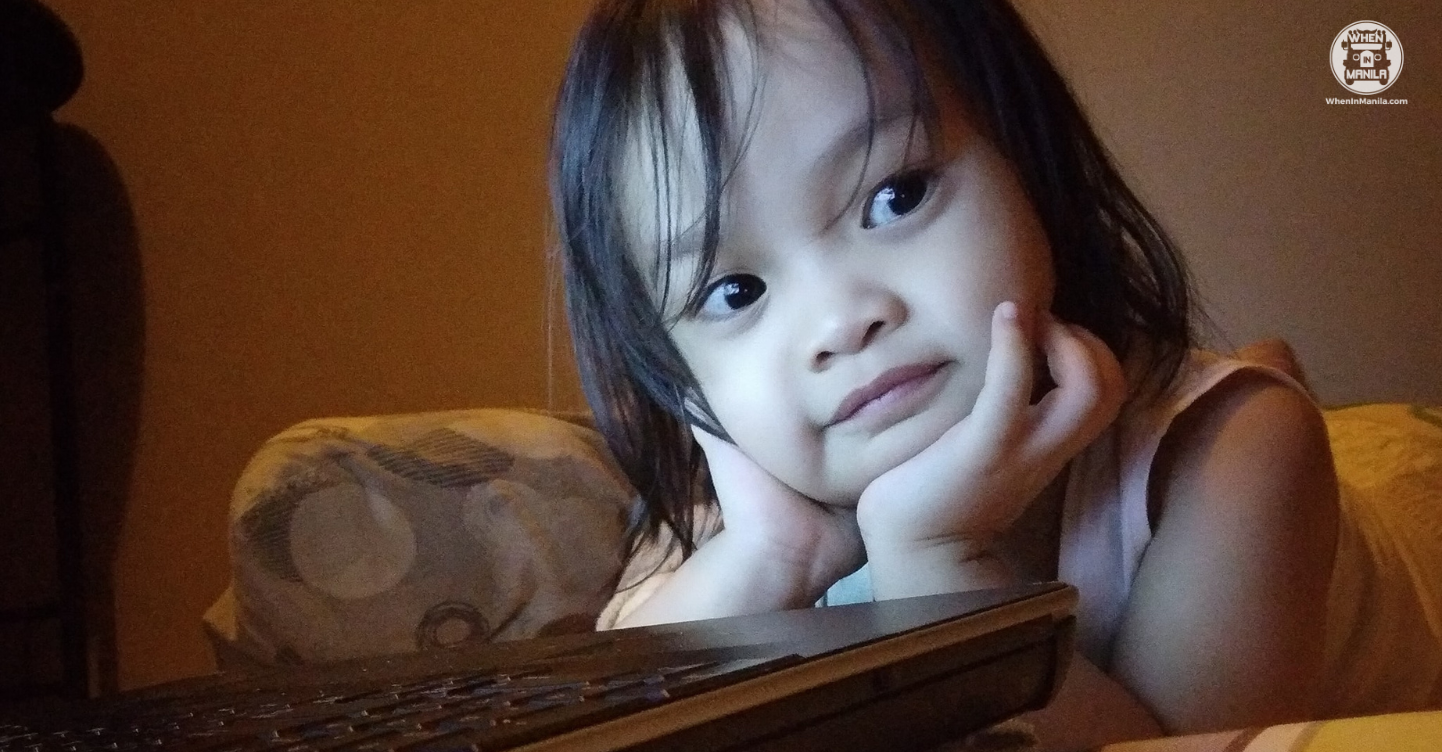
Photo: WhenInManila.com
At the time, I tried different ways to encourage responses or connection, not realizing I was still expecting communication to look a certain way.
Getting a diagnosis didn’t suddenly dramatically change our day-to-day life. The routines were still there, and so were the challenges. But what shifted was how I understood her.
It took time before I understood that her way of processing the world might not align with what I initially expected—and that didn’t mean there was anything wrong. It just meant it looked different.
Our day-to-day reality
My Ashelia is nine years old now, turning 10 this year. But her way of experiencing the world doesn’t always align with age-based expectations.
Our daily life involves routines that provide structure and familiarity. Communication doesn’t always follow typical patterns, and understanding her needs often comes from observation over time.
I learned to be more patient, not just in waiting for responses but in letting go of expectations I didn’t even realize I was holding on to. I began to accept that she doesn’t see or experience things the same way I do—and that’s something I continue to learn from every day.
In many ways, she still needs me the way a much younger child would. And that has shaped how I show up for her—not with a fixed idea of where she should be, but with a clearer understanding of where she is.

Photo: WhenInManila.com
Some things that once felt confusing now make more sense in context. Her strong preferences for certain patterns or routines, along with sensory sensitivities, affect how she interacts with her environment.
It hasn’t always been straightforward to navigate, but it has been a continuous learning process.
Did you know there’s an Autism Awareness Month?
April is recognized globally as Autism Awareness Month and, increasingly, as Autism Acceptance Month.
It begins with World Autism Awareness Day on April 2, which the United Nations has observed since 2007. The month itself has existed in different forms since the 1970s, originally focused on increasing understanding of autism and supporting individuals on the spectrum.
Over time, there’s been a shift in how it’s framed—from awareness to acceptance. The idea is not just to recognize that autism exists, but also to support inclusion, accessibility, and understanding in everyday life.
What awareness has come to mean
Autism Awareness Month, for me, isn’t just about information being shared once a year.
It’s more about how people respond to differences in real situations—how they react when communication looks different, or when behavior doesn’t match what’s expected.
It’s also about whether there’s space for children like mine to exist without being constantly corrected or pushed to fit into a standard mold.
In recent years, I’ve noticed a few local Pinoy films starting to tell stories around autism more closely to real life. Love Child, which is based on the director’s own experience, is one of them—it focuses on parenting a child with autism in a way that feels more familiar than distant.
Over time, I’ve learned that awareness is only the beginning. What comes after it—understanding, patience, and inclusion in everyday spaces—is what actually shapes experience.
I used to think understanding my daughter meant figuring out what needed to change.
That has shifted over time. Now, it’s less about trying to reshape her into something else, and more about learning how she experiences the world—and meeting her there, as she is.
ALSO READ: A Closer Look at the Expanded Solo Parents Welfare Act and the Lives It Supports
What are your thoughts on this? Let us know in the comments.
Do you have a story for the WhenInManila.com Team? Email us at wheninmanila@gmail.com or send us a direct message at WhenInManila.com’s Facebook Page. Interact with the team and join the WhenInManila.com community at WIM Squad, and join our Viber group to stay updated with the latest around the Philippines and beyond!