
The Department of Energy (DOE) announced on November 2, 2026, the following fuel price adjustments: gasoline prices will increase, while diesel and kerosene prices will go down.
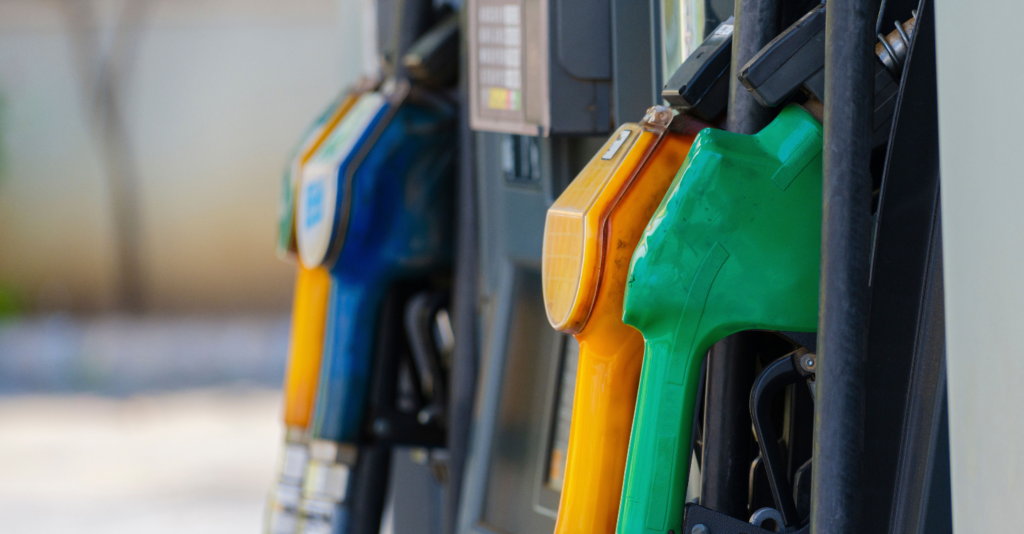
Photo: Engin Akyurt/Pexels
According to the DOE, the following fuel price adjustments are as follows:
- Diesel: down by ₱1.00 per liter
- Kerosene: down by ₱1.90 per liter
- Gasoline: up by ₱3.50 per liter
The price adjustments are effective as of November 3, 2026, and will remain in effect until November 9, 2026.
The price adjustments were the opposite of the previous week, from October 27, 2026 to November 2, 2026: gasoline prices were down by ₱0.30 per liter, while diesel and kerosene were up by ₱1.20 and ₱0.50 per liter, respectively.
The DOE’s advisory also includes the maximum price increase for liquefied petroleum gas (LPG) for the whole month of November 2026, at ₱4.35/kg and ₱47.85/11-kg cylinder.
“Ang mga pagbabagong ito ay nakabatay sa galaw ng pandaigdigang merkado ng langis, sa gitna ng patuloy na kaganapan sa Middle East na nakakaapekto sa global supply at presyo,” the agency said in its advisory.
(“These changes are based on the movements of the global oil market, amid ongoing events in the Middle East that affect the global supply and prices.”)
Several oil companies have also announced their price adjustments following DOE’s advisory: Unioil Petroleum Philippines Inc., Petron Corp., Seaoil Philippines Corp., Shell Pilipinas Corp., EcoOil, and Phoenix Petroleum Philippines Inc.
Geopolitical tensions, El Niño, peso depreciation affecting fuel prices

Photo: engin akyurt/Unsplash
On October 27, 2026, DOE Secretary Sharon Garin said the department may ask fuel companies to implement fuel price adjustments in a staggered manner.
This is in response to a possible increase in import costs, which will affect fuel prices as the peso continues to weaken against the US dollar.
The weakening peso plays a role in import costs, as the Philippines relies heavily on imported products such as fuel, machinery, and raw materials. Because these products are priced in US dollars, a weaker peso may drive up local costs of imported coal, diesel, and liquefied natural gas.
Meanwhile, the administration is also adopting a whole-of-government approach to mitigate the impacts of the different national issues that the Philippines is currently facing.
According to Presidential Communications Office (PCO) Undersecretary Claire Castro on October 27, 2026, President Ferdinand R. Marcos Jr. is not just focusing on the fuel price increase issue but also on other issues.
“Whole-of-government approach po kasi ang ginagawa ng Pangulo, hindi lang tutok doon sa issue ng fuel or pagtaas ng presyo ng krudo,” she stated.
(“The President is using a whole-of-government approach, not just focusing on the issue of fuel or the rise in crude prices.”)
What are your thoughts on this story? Let us know in the comments!
Do you have a story for the WhenInManila.com Team? Email us at wheninmanila@gmail.com or send us a direct message at WhenInManila.com’s Facebook Page. Interact with the team and join the WhenInManila.com community at WIM Squad, and join our Viber group to stay updated with the latest around the Philippines and beyond!