
Just when we thought applying for a U.S. visa couldn’t get any more stressful, a new travel policy might have your wallet sweating.
As of August 20, 2025, the United States has launched a pilot program that could require some tourists and business travelers to post a visa bond of up to $15,000 (around ₱860,000).
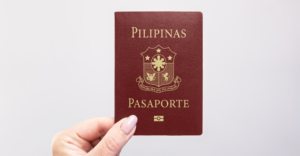
Photo: Vecteezy
This comes weeks after the introduction of the new $250 “visa integrity fee”—a separate charge that also raised eyebrows among would-be travelers.
ALSO READ: Travelers Who Get a U.S. Visa Will Soon Be Required to Pay Around P14,000 for a “Visa Integrity Fee”
According to a report by Reuters, the U.S. government’s new move aims to curb visa overstays, especially from countries with a track record of not leaving on time. Under this 12-month pilot program, consular officers will have the discretion to ask B-1 (business) and B-2 (tourist) visa applicants to pay a refundable bond of $5,000, $10,000, or $15,000, depending on their case.
Why is this happening?
As of August 5, 2025, only two countries have been added to the official list: Malawi and Zambia. According to U.S. officials, this decision is based on high overstay rates reported by the Department of Homeland Security.
Starting August 20, 2025, citizens of Malawi and Zambia who apply for a B1/B2 visa will be required to post a bond of $5,000, $10,000, or $15,000. The exact amount will be decided during the visa interview. On top of that, applicants will need to fill out a special form (Form I-352) and pay their bond online through Pay.gov—the U.S. government’s official payment site.
A few important things to note:
-
Pay only when told. Applicants should only post a bond if instructed by a U.S. consular officer. Any payment made through unofficial websites or third parties won’t be recognized (or refunded).
-
Limited airports only. Those who pay the visa bond will be required to enter and exit the U.S. through specific airports: Boston Logan (BOS), JFK in New York, and Washington Dulles (IAD).
-
Refunds are possible. If the traveler follows all the rules—leaves on time, doesn’t overstay, or never uses the visa—the full bond amount will be returned.
-
But if not… Overstaying, failing to depart, or attempting to adjust immigration status (including applying for asylum) will mean the bond is forfeited.
And just to be clear: the Philippines is not part of this list. Filipino travelers applying for U.S. tourist visas do not need to worry about the visa bond requirement.
Haven’t we heard this before?
Yes. This isn’t the first time the U.S. has flirted with a visa bond policy. A similar system was introduced during the Trump administration back in November 2020, but it didn’t gain traction due to the pandemic.
This time, though, it’s officially happening. And combined with the new integrity fee, traveling to the U.S. might soon become one of the most expensive visa processes in the world.
What Filipino travelers should watch out for
While the Philippines isn’t part of the affected list, Filipino travelers are urged to keep an eye on updates from the U.S. Embassy in Manila and the official travel.state.gov website.
If the Philippines is included, it’s no longer enough to just save up for airfare, shopping, and pasalubong. The visa application process itself might now require hundreds of thousands of pesos.
TL;DR:
Planning a U.S. trip soon? Some visitors might be asked to pay a refundable visa bond of up to $15,000 (~₱860,000) on top of a $250 visa fee. The Philippines is not affected, but it’s better to stay updated before booking anything.
What are your thoughts on the new U.S. visa bond policy? Would this affect your future travel plans?
Do you have a story for the WhenInManila.com Team? Email us at wheninmanila@gmail.com or send us a direct message at WhenInManila.com’s Facebook Page. Interact with the team and join the WhenInManila.com community at WIM Squad, and join our Viber group to stay updated with the latest around the Philippines and beyond!







Any update for the Philippine visa?