
If you’re always online and scrolling through your feed, you’ve probably seen or read about the pneumonic plague reportedly linked to a case in Russia.
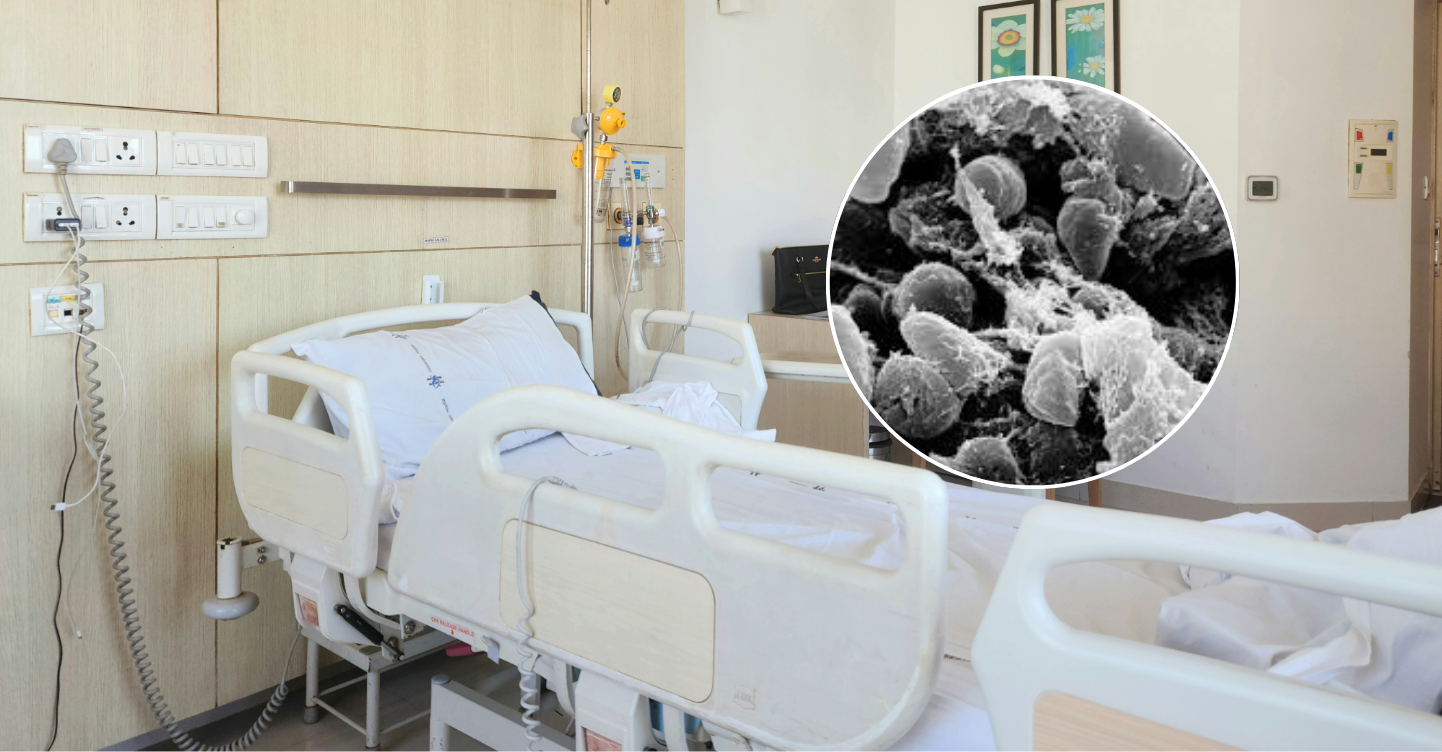
Photo: Unsplash & Wikipedia
Before you panic, here’s everything you need to know—from what happened and what can happen when someone is infected to whether there is a possibility of the disease spreading to the Philippines.
What happened?
A 28-year-old female researcher working at an anti-plague laboratory in Russia has died.
According to a published report by CNN, she died from pneumonia of an “unknown” origin.
Following the researcher’s death, NBC News reported that nearly 200 people who had come into contact with her were being monitored as a precaution.
As the circumstances surrounding the researcher’s illness and untimely death have not been fully established, investigations are currently underway. However, as reports linking the case to pneumonic plague continue to circulate across various media outlets and social media platforms, here’s why understanding pneumonic plague is important for everyone’s health and safety.
What is a pneumonic plague?
Pneumonic plague is a rare yet severe form of plague that affects the lungs. It is caused by the bacterium Yersinia pestis, which is usually found in small mammals and their fleas.
Bubonic plague is the most common form of plague and is characterized by painful and swollen lymph nodes. Other forms include septicaemic and pneumonic plague.
Pneumonic plague, however, is the most virulent form and can spread directly from person to person through respiratory particles. An individual can become infected when a person with pneumonic plague coughs or sneezes and releases infectious respiratory particles, or through exposure to infected bodily fluids or tissues.
According to the World Health Organization (WHO), symptoms of pneumonic plague can appear very quickly, sometimes within 24 hours of infection. These include severe respiratory symptoms such as coughing, shortness of breath, and weakness, among others.
How can you treat and prevent pneumonic plague?
When left untreated, pneumonic plague can be fatal. With that, early detection, diagnosis, and treatment are vital for survival.
Keep in mind that pneumonic plague can become fatal within 18 to 24 hours of disease onset if left untreated, according to the WHO. However, antibiotics can effectively treat the infection when administered early.
Prevention is also better than cure! For people living in areas where plague is present, it is important to avoid direct contact with infected body fluids and tissues and to avoid handling potentially infected animals or animal carcasses.
Will it spread in the Philippines?
Following the death of a researcher in Russia, several Central Asian nations have decided to tighten their epidemic control measures.
According to a report by the New York Post, countries such as Kazakhstan, Kyrgyzstan, and Tajikistan have introduced heightened safety measures, while Uzbekistan has raised its health alert level. Additional health screening protocols will also be implemented for individuals arriving from Russia.
But should Filipinos be alarmed? The Department of Health (DOH) has been closely monitoring the situation in Russia and said it is taking the World Health Organization’s (WHO) recommendations seriously.
“Nakausap natin mismo ang DOH, closely monitoring sila sa nagaganap at sineseryoso din po ng DOH ang mga rekomendasyon ng WHO (We spoke directly with the DOH, and they are closely monitoring what is happening and taking the WHO’s recommendations seriously),” Palace Press Officer Claire Castro said in a report published by the Philippine News Agency.
The report added that the department would announce health protocols if necessary. Meanwhile, the WHO noted that the risk of pneumonic plague spreading internationally is “highly unlikely.”
ALSO READ: What Do You Do When the Pandemic Makes You Lose Interest In Your Passions?
Do you have a story for the WhenInManila.com Team? Email us at wheninmanila@gmail.com or send us a direct message at WhenInManila.com’s Facebook Page. Interact with the team and join the WhenInManila.com community at WIM Squad, and join our Viber group to stay updated with the latest around the Philippines and beyond!