
I didn’t believe in tarot. Not in a way that left much room for mystery. I leaned toward a materialist way of understanding things, where what matters is what can be seen, traced, or explained.
A friend mentioned she knew someone who read tarot cards, and I agreed to go along more out of curiosity than anything else. We ended up at a café in Quezon City.
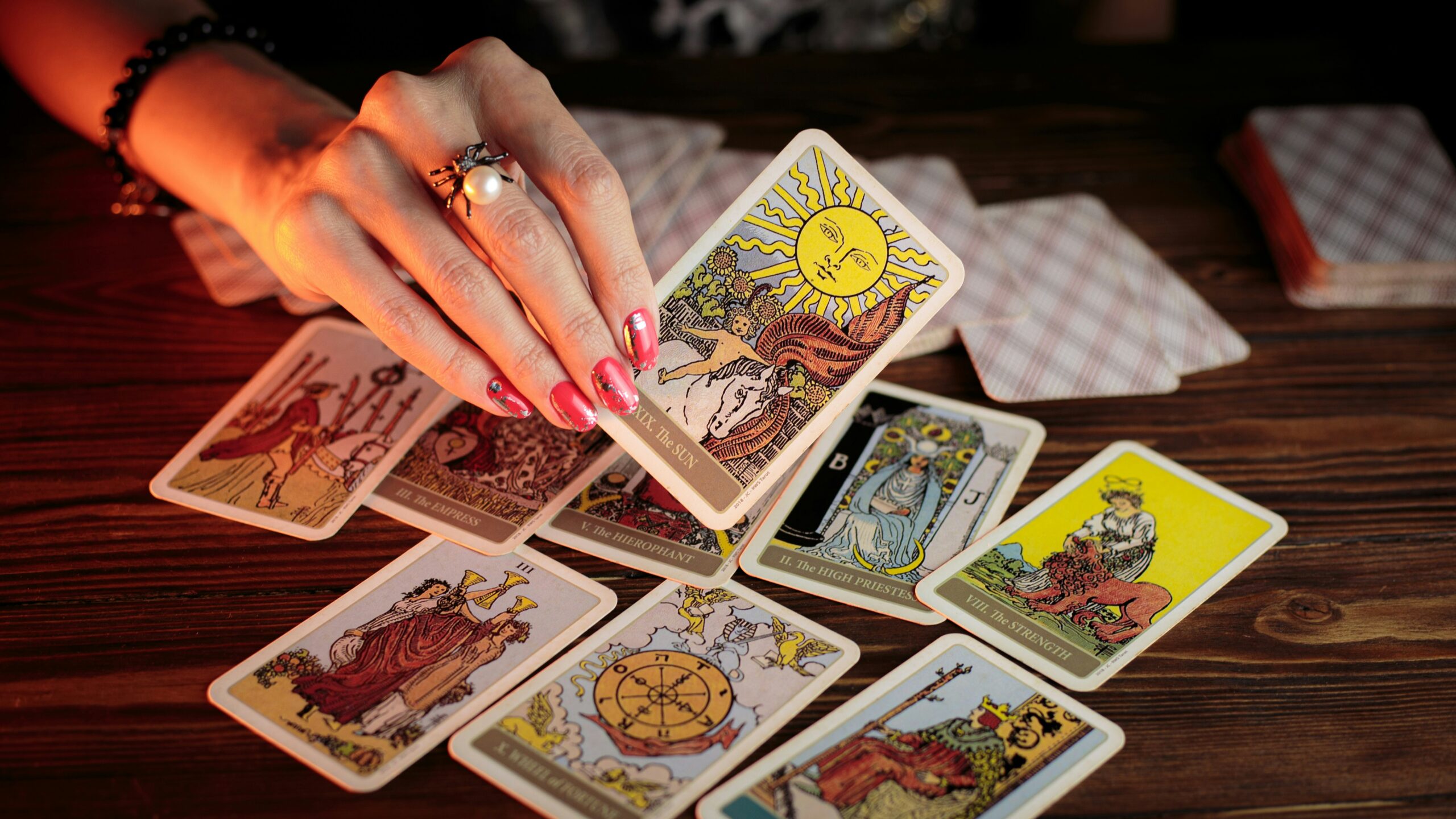
Photo: Petr Sidorov/Unsplash
Tarot is a 78-card deck that originated in 15th-century Europe as a game, before eventually evolving into a tool people now use for reflection and interpretation. Each card carries symbolic meanings that a reader interprets based on how it appears in a spread, often tied to questions about relationships, decisions, or emotional patterns.
In recent years, tarot has gained visibility again, especially online. Platforms like TikTok and Instagram have made readings easier to come across, with creators sharing daily pulls, collective readings, and live sessions. For some, it comes across as guidance; for others, more of a ritual or a way to pause and reflect. The appeal doesn’t always seem to be about prediction, but more about finding language for thoughts or feelings that are already there.
The reading

At one point, she asked if I was seeing anyone. I answered that I had been married. She nodded and began interpreting what was already laid out in front of her.
“You resent him; he’s been holding you back for years.”
“He’s materialistic. He’s not going to change.”
“You’re like a bird in an open cage. You can leave completely, but you don’t. For peace.”
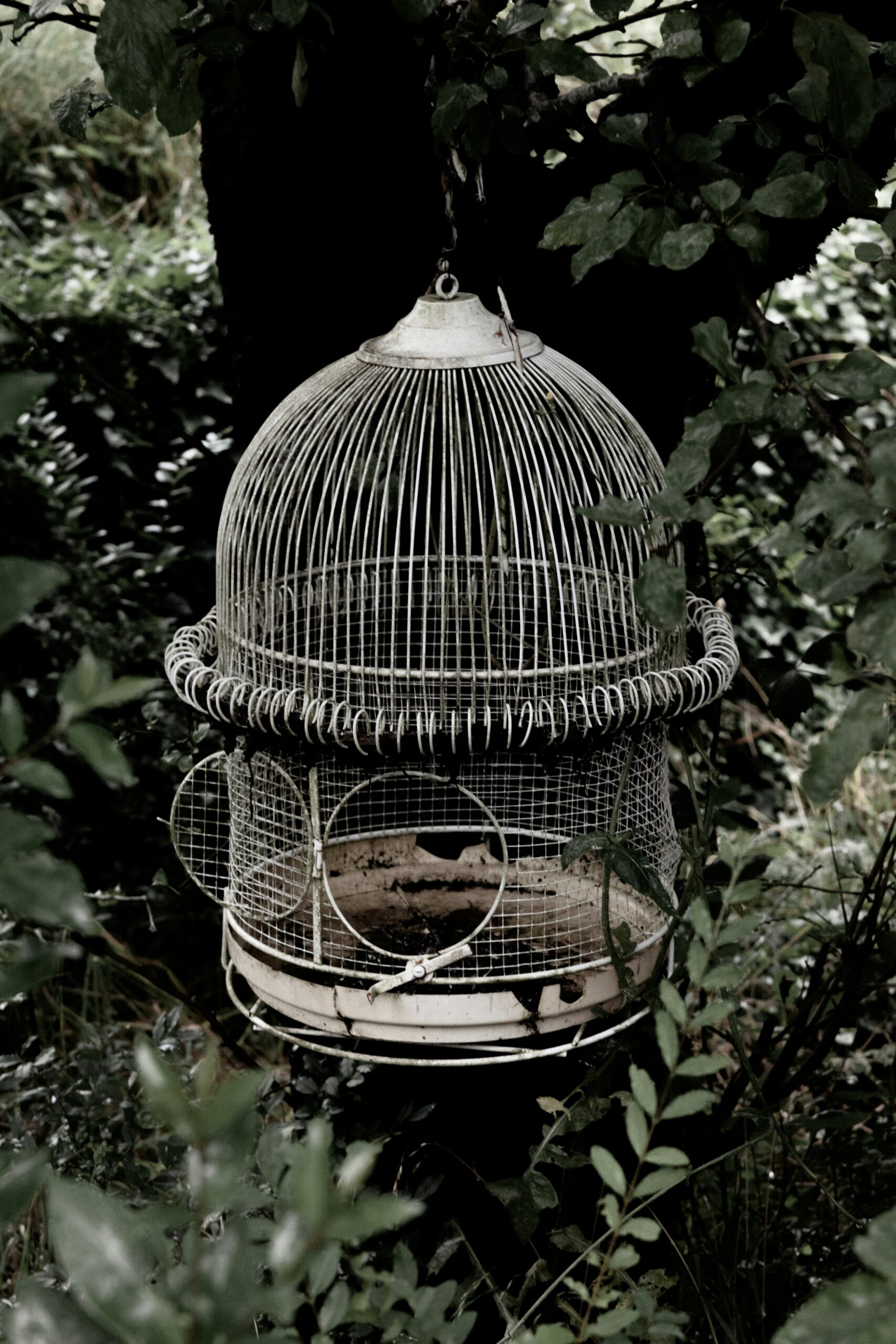
Photo: Deleece Cook/Unsplash
I remember looking across the table at my friend, aware that none of what was being said had ever been shared with them. They were hearing it for the first time, too. For all she knew, I had been very happy in that relationship.
What stayed with me wasn’t the phrasing itself, but how closely it matched things I had never said out loud. There was a moment of discomfort—not so much because it felt supernatural, but because it felt a little too close to things I hadn’t said out loud. It’s one thing to carry certain thoughts privately; it’s another to hear them reflected by someone who, as far as I knew, didn’t have access to any of that.
At the same time, part of me was already trying to make sense of it. The statements, while specific in tone, could also be read more generally. Many relationships involve some level of frustration or imbalance. It wasn’t hard to see how someone might recognize themselves in that kind of framing.

Photo: Tatiana/Unsplash
I didn’t respond right away, just listened as she continued.
After a while, she mentioned the deck’s name. Her name was Elena. Some tarot readers choose to name their decks as a way of building familiarity with them. It can make the process feel more personal, almost like there’s a distinct “voice” to each one. Over time, readers sometimes notice patterns in how certain decks come across—whether they feel more direct, more metaphorical, or more focused on certain themes. Naming the deck is one way to describe those tendencies.
She said Elena has a personality, that certain themes tend to surface depending on the reading, especially relationships and emotional situations people usually keep to themselves. Elena, she said, is chismosa.
What stayed after
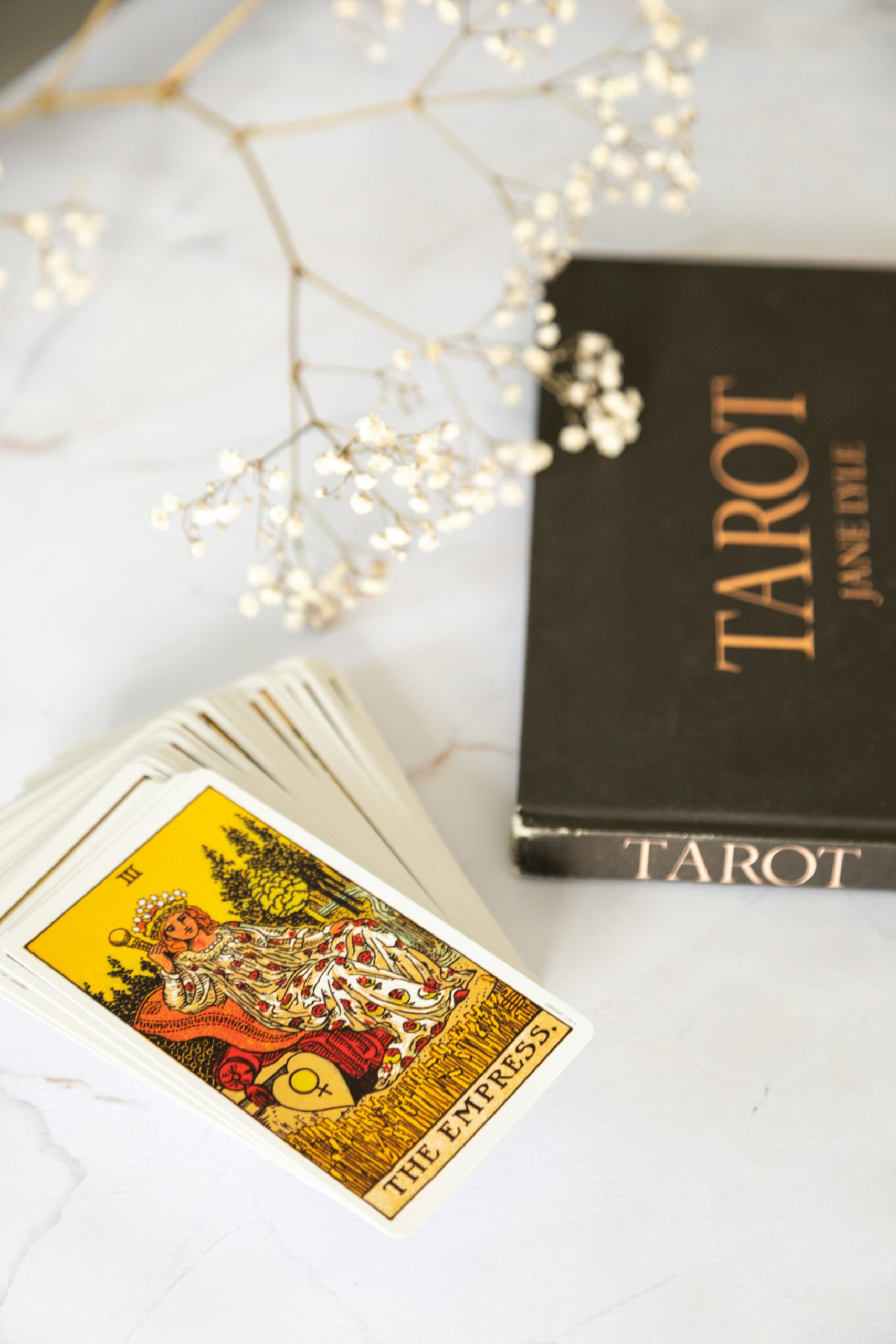
Photo: Viva Luna Studios/Unsplash
We stayed a while after the reading ended, finishing our food and coffee while the café carried on as it had before, with people coming in and out and conversations continuing around us.
On the way home, I kept thinking about what had been said and how closely it matched my situation without her knowing any context.
It would be easy to read the experience as intuition or something less tangible, but there are also more grounded ways people tend to explain it. Tarot reading can sometimes overlap with what’s known as “cold reading”—picking up on subtle cues, asking guiding questions, and making statements that feel specific yet broadly relatable. There’s also confirmation bias, where it’s easier to remember what resonates and overlook what doesn’t.
That said, the experience didn’t feel meaningless. Even without assuming the cards themselves have predictive power, the process can still lead to reflection. Sometimes hearing something framed a certain way is enough to make thoughts feel clearer, even if they were already there to begin with.
ALSO READ: Year of the Horse: Here is Your 2026 Chinese New Year Horoscope, According to Your Zodiac Sign
What are your thoughts on this? Let us know in the comments.
Do you have a story for the WhenInManila.com Team? Email us at wheninmanila@gmail.com or send us a direct message at WhenInManila.com’s Facebook Page. Interact with the team and join the WhenInManila.com community at WIM Squad, and join our Viber group to stay updated with the latest around the Philippines and beyond!