With Chinese New Year ushering in the Year of the Wood Snake on January 29, the country has become more vibrant than ever: red Chinese lanterns adorn bustling streets we’ve grown accustomed to, thrilling dragon and lion dances, and the aroma of tikoy and other Chinese delicacies wafting through crowded mall pop-ups and busy markets. Beyond the colorful exteriors and festive ambiance, many traditions are deeply woven into Filipino culture, symbolizing the shared values and enduring connection between Chinese and Filipino communities.
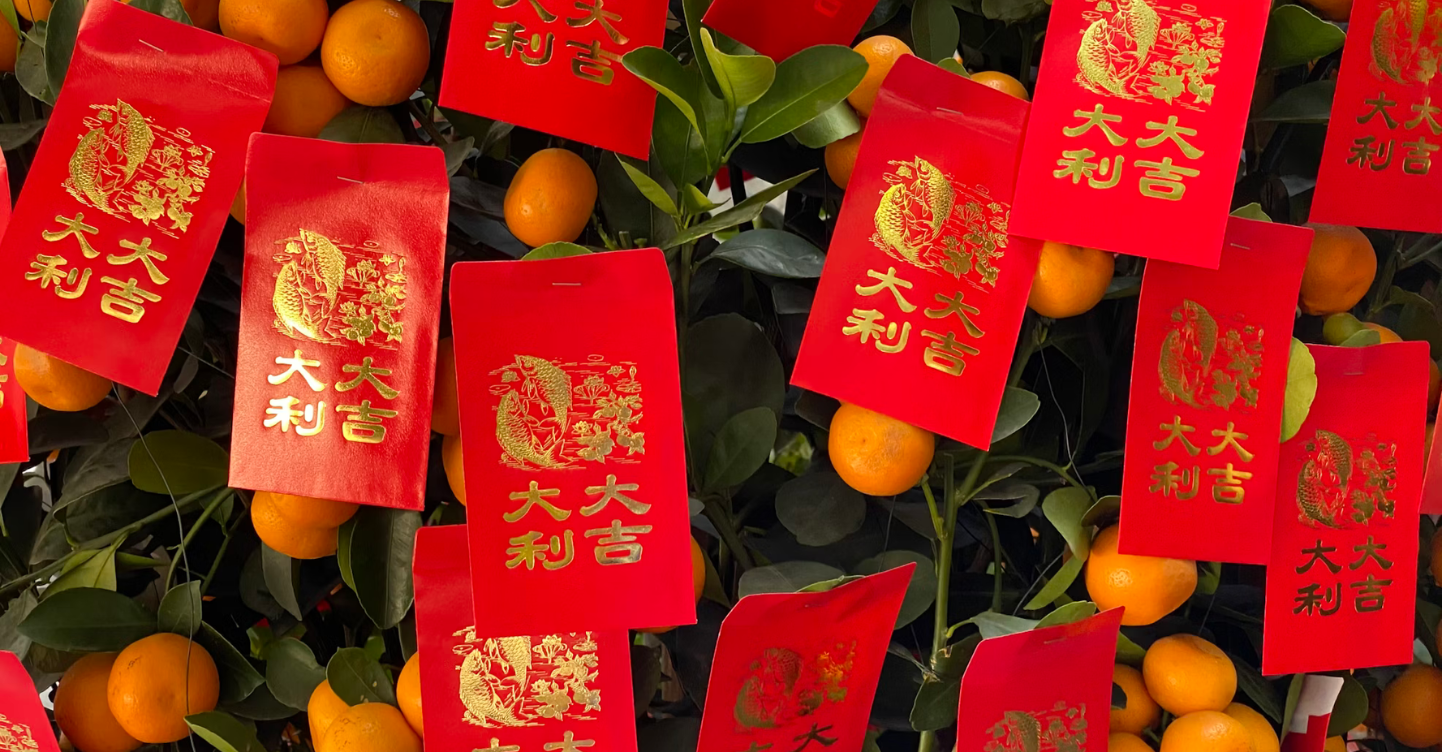
Photo: Unsplash
These time-honored practices, passed down through generations, are believed to bring good fortune, harmony, and prosperity. Embracing this mindset not only brings cultural appreciation to life but also sets the stage for a brighter and more prosperous year ahead.
Here are some common Chinese New Year Traditions that Filipinos practice for wealth and good fortune:
Eating with the family
There’s nothing more celebratory and comforting than sharing a meal with family. Indeed, the Filipino handaan—even on Chinese New Year—has always been grand and festive, incorporating symbolic and lucky dishes believed to bring wealth and good fortune.
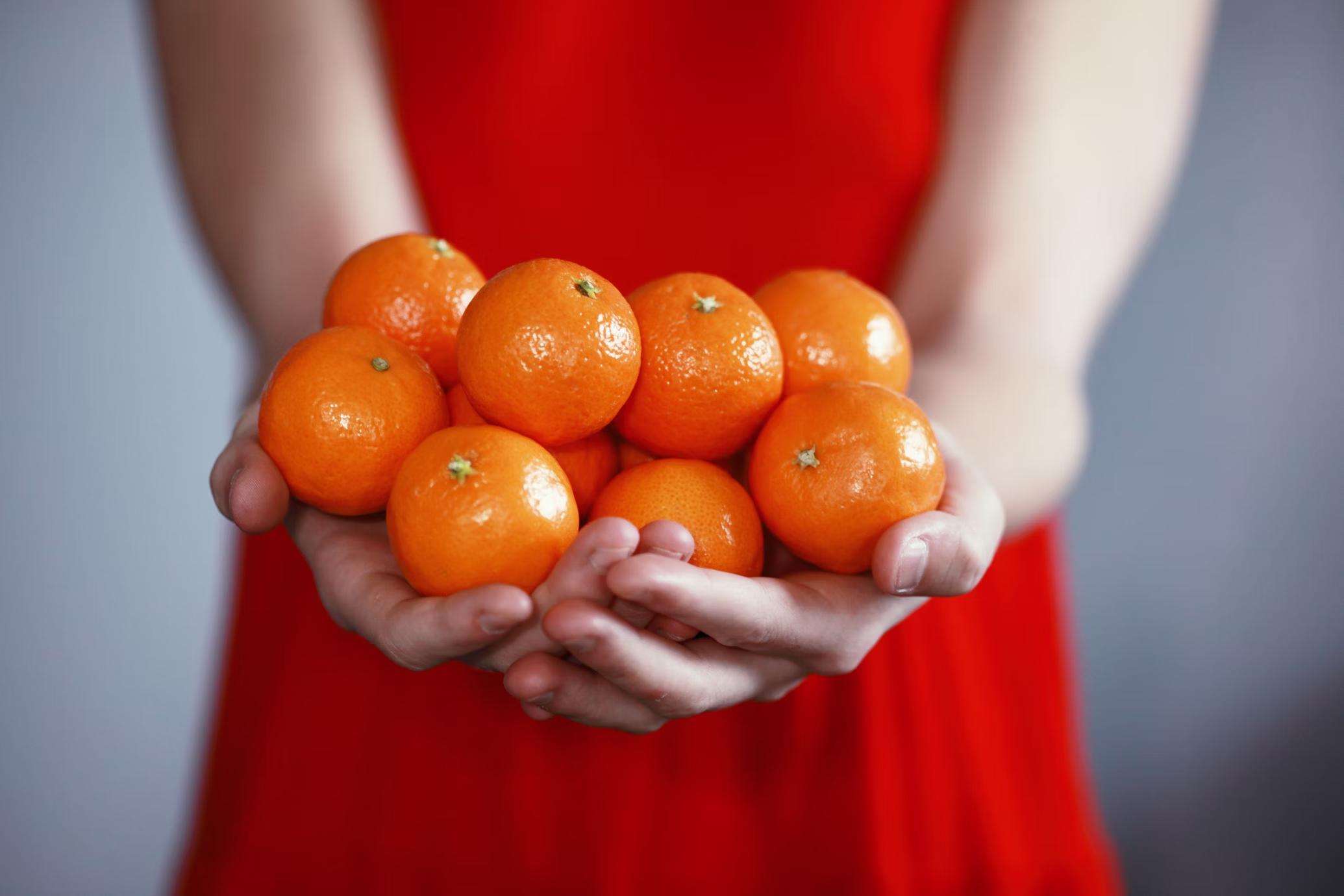
Photo: Unsplash
Borrowing from Chinese traditions passed down through generations, placing 12 round fruits on the dining table symbolizes financial abundance and wealth. Pancit or noodles represent long life, while sticky tikoy signifies tighter and stronger familial bonds.
In every sense of the word, sharing a meal and hearty conversation with those we love is a form of abundance in itself. Read more: 10 Must-Visit Chinese Restaurants for a Memorable Dining Experience
Wearing new clothes and lucky colors
Wearing new clothes during Chinese New Year is said to symbolize a fresh start and leaving the past behind. This tradition is also believed to ward off bad luck or misfortune.

Photo: Unsplash
Additionally, choosing the right colors is thought to attract good fortune and abundance into our lives. Filipinos often wear red as a celebratory go-to color, embracing positive energy, greater opportunities, and luck for the year ahead. On the other hand, black and other dark colors are typically avoided, as they are associated with bad luck and mourning.
Who doesn’t love a great outfit to welcome something new into our lives? These lucky colors, based on your Chinese zodiac sign, are believed to attract good fortune and success. Read more: Lunar New Year Outfit Ideas: Lucky Colors to Wear Based on Your Chinese Zodiac Sign
Believing in the Chinese Zodiac
The past is something we can revisit through the memories and tangible things we hold dear, but the future remains uncertain. It’s comforting, however, to have a glimpse of what it may bring. Believing in the Chinese zodiac is a cherished tradition among Filipinos, and as the Lunar New Year approaches, many seek out zodiac readings and predictions for the year ahead.
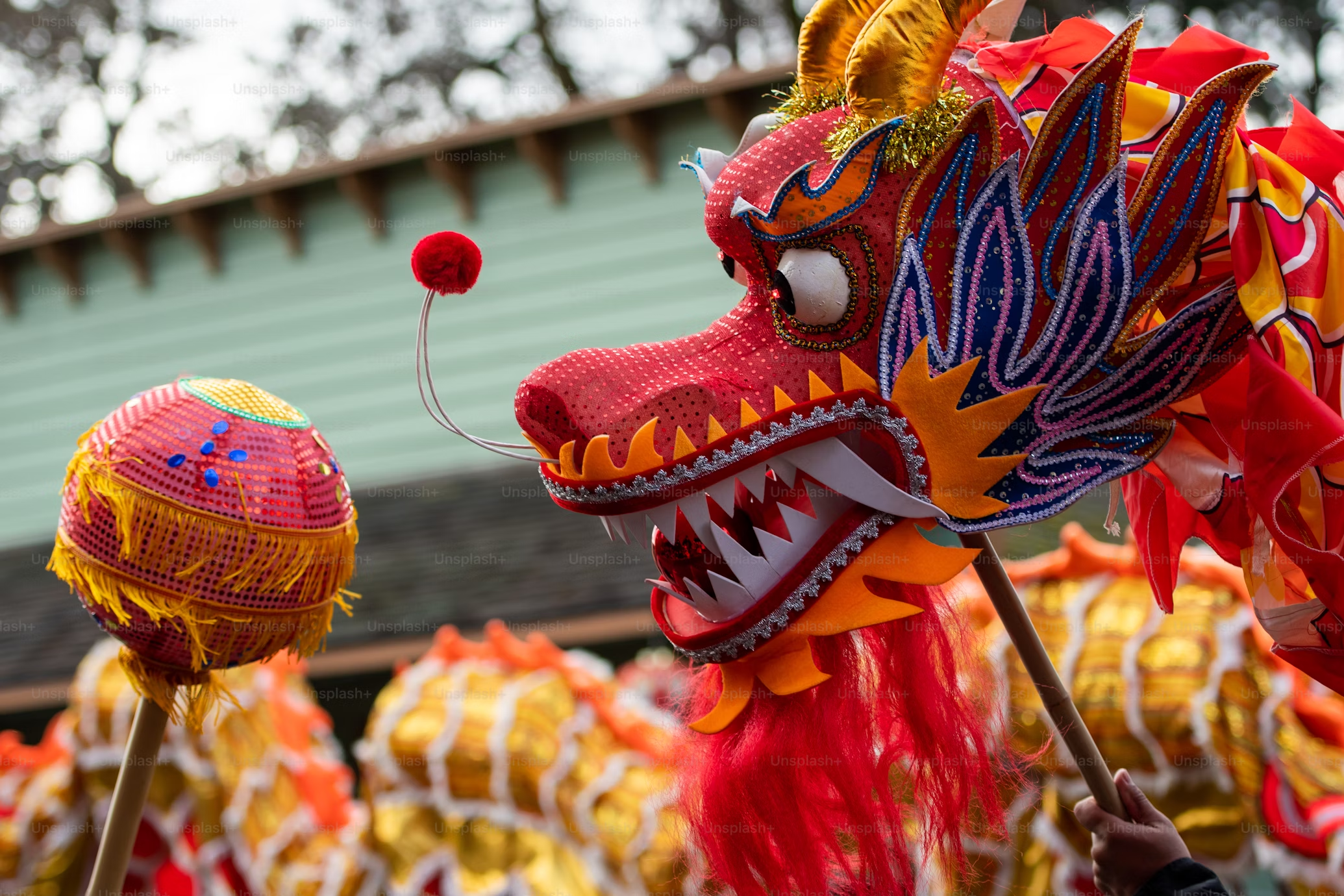
Photo: Unsplash
From media outlets to bustling shopping malls and even on street corners, astrologers and feng shui experts offer invaluable insights into one’s career, health, fortune, and relationships. While we have to put in effort and take action to make real changes in our lives, this shared practice creates a sense of connection and anticipation as we step into the new year.
If you’re eager to find out what this year holds for your zodiac sign, read more: Year of the Snake: Here is Your 2025 Chinese New Year Horoscope, According to Your Zodiac Sign
Cleaning the house
The practice of cleaning our house before the New Year, or “sweeping away negative energy and bad luck,” is said to bring good fortune into our lives. Similarly, Filipinos believe in the superstition that sweeping on Chinese New Year’s Day itself can sweep away all the good fortune and prosperity that has arrived.
Red Envelopes (Ang Pao)
Giving and receiving red envelopes (ang pao in the Philippines and hong bao in China) filled with money is an essential part of the Chinese New Year tradition in the country. This practice, where ang pao is often given to children and unmarried family members, symbolizes the sharing of blessings and good fortune. It has become a meaningful and cherished gesture of generosity that strengthens family bonds and spreads positivity.