
SPRUCE Gallery presents Fragmentia: Oculations of Reality, a multimedia exhibition by Kevin Pineda that begins with the photograph no one was supposed to keep.
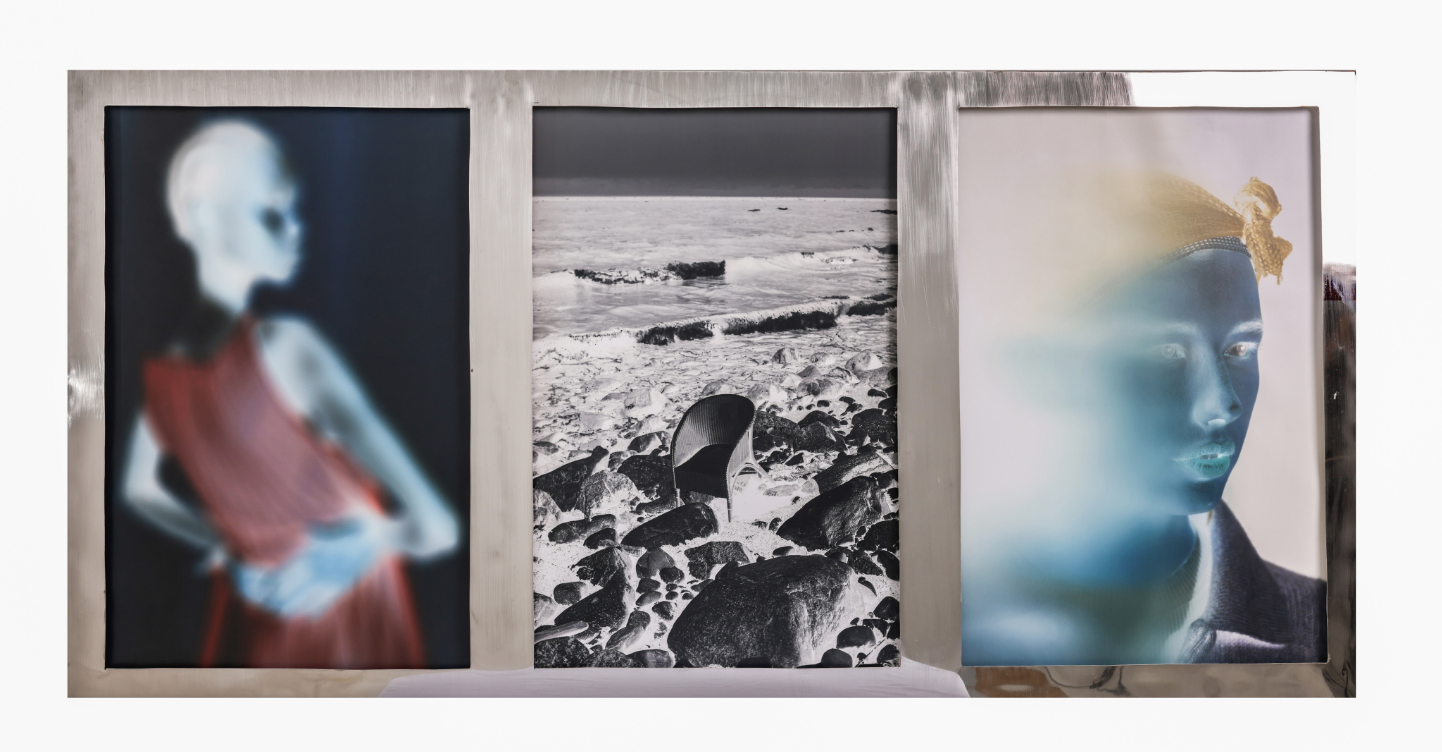
Photo: SPRUCE Gallery
Working with altered photographic prints, tearing, distortion, negative-style processing, applied stress, and brushed stainless steel, Pineda turns discarded images into works that sit between picture, object, surface, and evidence. Blurred frames, misfires, negatives, near-deletions, and altered exposures return in his hands with new physical consequence.
The exhibition is accompanied by curatorial notes titled The Rejected Image Returns, which frame the show around a central proposition: perhaps the rejected image knows something the polished image was trained to hide.
In Fragmentia, the frame is never neutral. Brushed stainless steel becomes casing, threshold, mirror, and accomplice. It grips the image, competes with it, and occasionally seems to wound it. The photograph leaves the flat authority of the print and becomes something closer to an object with nerves.
Kevin Pineda
Many of the works carry the ghost of fashion photography. Beauty remains present, only now it carries a fault line, its editorial confidence beginning to fray. Faces are covered, split, displaced, or made spectral. Bodies retain their camera-ready allure while slipping away from the clean logic of commercial seduction. The glamour remains, but under pressure.
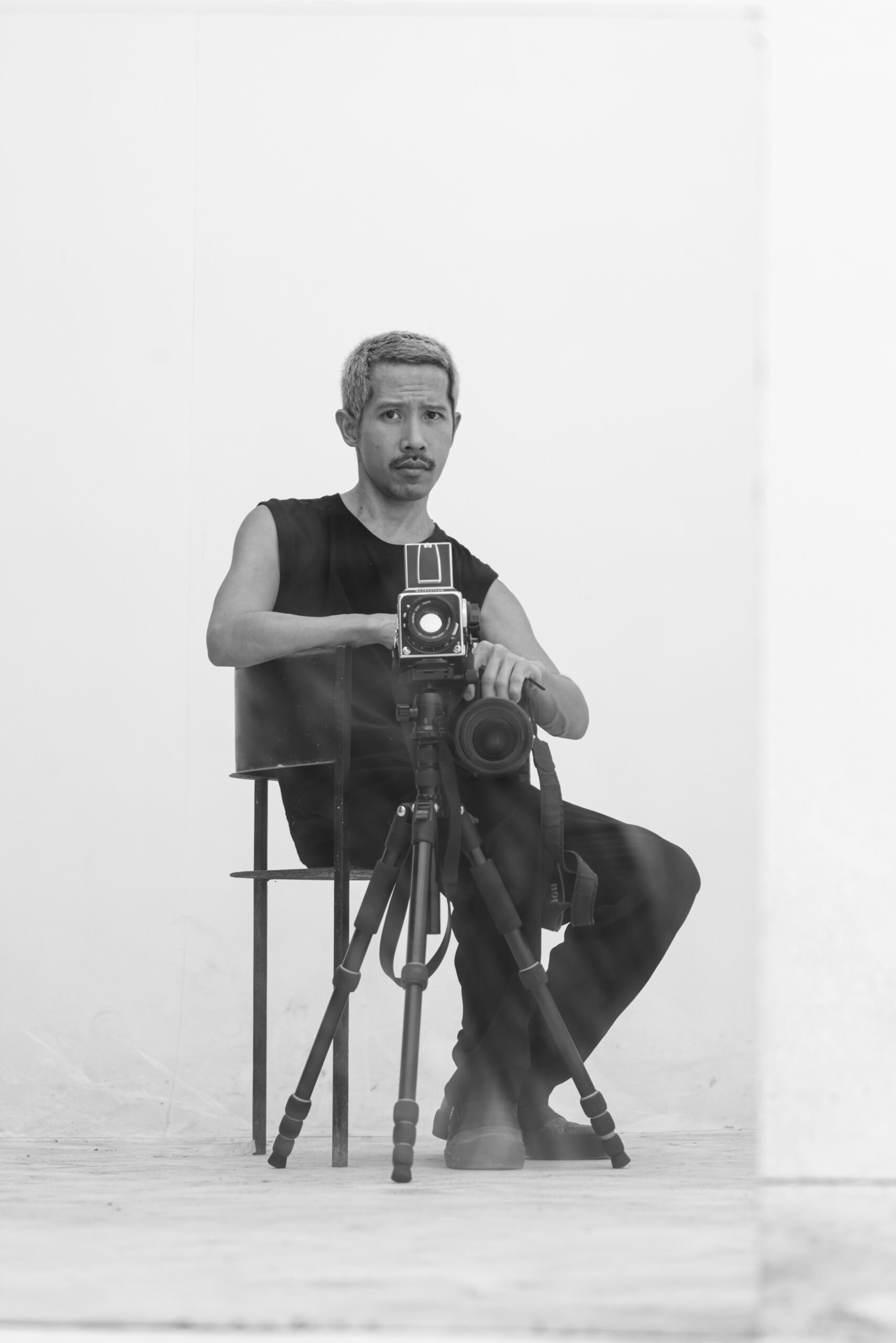
Pineda’s cross-disciplinary background gives the exhibition its particular force. Trained in Interior Architecture at London Metropolitan University, he moved through kitchens, galleries, design studios, and image-making contexts across Europe and Asia. His first apprenticeship was at Galleria Lorcan O’Neill in Rome, where he had brief exposure to projects involving Tracey Emin and Anselm Kiefer. He later founded The Room, an experimental creative space near the Colosseum, before developing furniture and object-based work through Ma+Ke Lab in Tallinn with Martin Tonts and Nele Kont. In Fragmentia, that history becomes a way of thinking through material: how a photograph is handled, framed, reflected, stressed, and made to occupy space.
The attached curatorial notes place the exhibition in conversation with Hito Steyerl’s writing on degraded images and Vilém Flusser’s thinking on photography and the apparatus. In Fragmentia: Oculations of Reality, fracture becomes optical. Vision forms through the cut. The rejected image returns, altered, elegant, and faintly dangerous.