
Every Philippine rugby player starts in the same place. They start on a local rugby field, learning the basics from volunteer coaches, training alongside teammates who soon become lifelong friends, and discovering a sport built as much on respect, discipline, and community as it is on physicality.
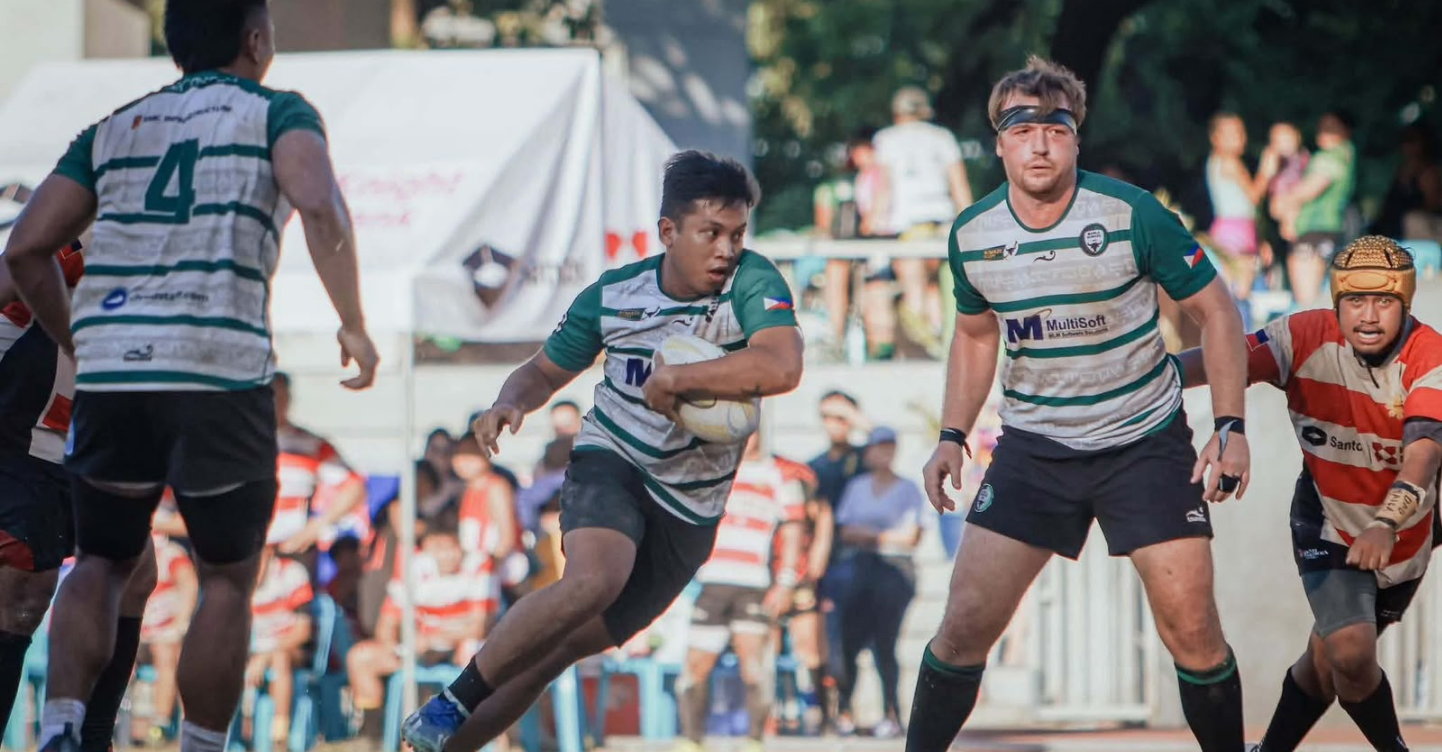
Jon Ezra of the Philippine Volcanoes Rugby Team
Some remain club players. Others earn the opportunity every Filipino rugby athlete dreams of: representing the country as a Philippine Volcano.
This year, that journey is more visible than ever.
As the Philippine Volcanoes Rugby Team prepares to defend its Union Cup title in Bangkok, Thailand, from July 12 to 18, one of the biggest stories isn’t simply that the Philippines returns as defending champions.
The Union Cup brings together emerging rugby nations across Asia, with the Philippines entering this year’s tournament as the reigning champions after capturing the 2025 title. But beyond another shot at international glory, the competition has become a showcase of how Philippine rugby continues to grow from the ground up.
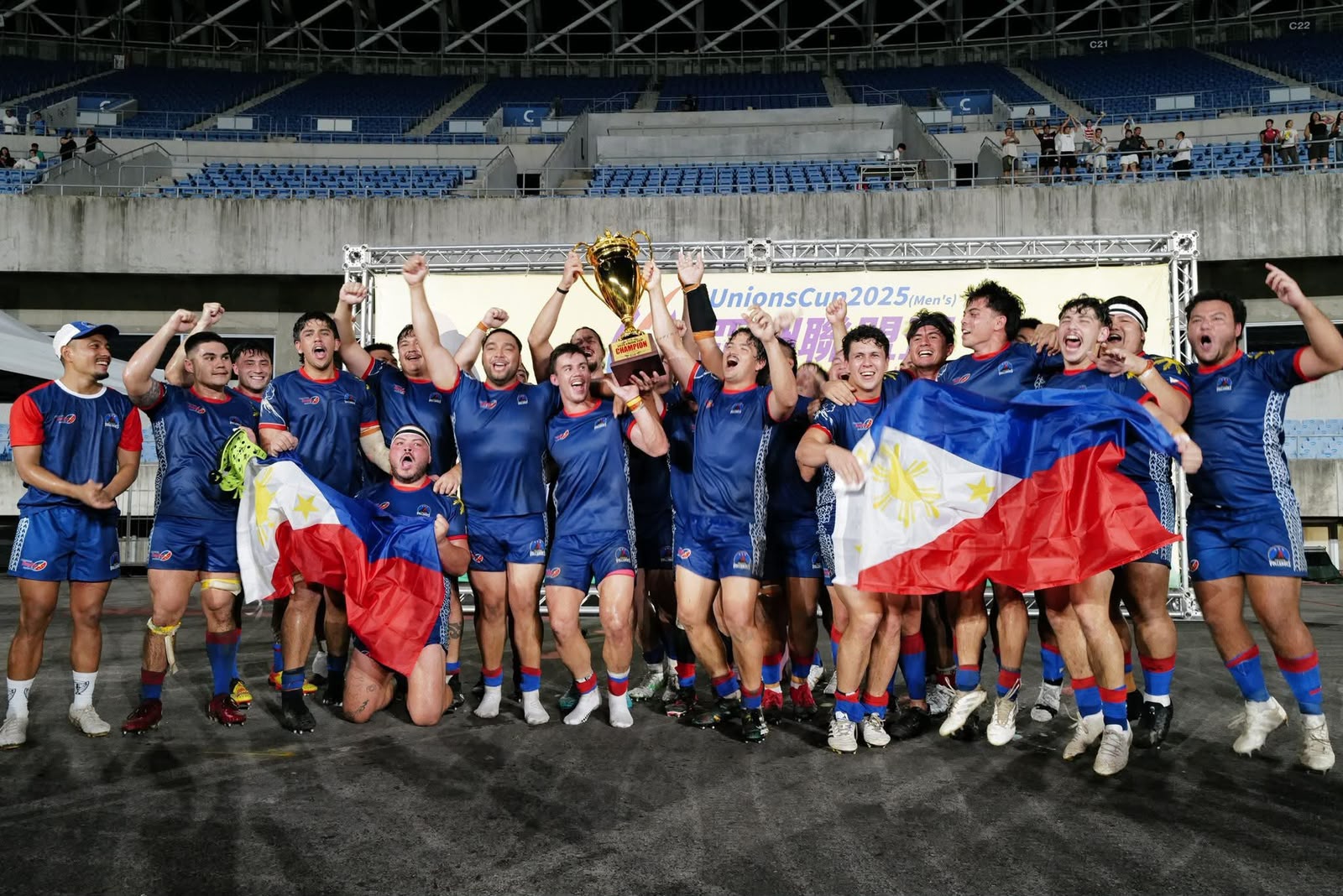
The Philippine Men’s Volcanoes celebrate their historic Unions Cup triumph in 2025, returning to the top of Asian rugby after a six-year absence from international Test competition. (Photo by RugbyAsia247).
WhenInManila.com spoke exclusively with several of the team’s homegrown players whose journeys began not on international stages, but on local rugby fields across the Philippines.
From Northern Samar and Gubat, Sorsogon, to Pampanga, Pasay, Metro Manila, and rugby clubs across the country, their stories reflect years of sacrifice, countless hours of training, and the unwavering support of families, coaches, teammates, and communities that believed in them long before they wore the Philippine jersey.
Leading them is homegrown captain Kai Ledesma Stroem, whose own rugby journey mirrors the pathway the federation has spent years building. Alongside experienced national team players such as Jovan Masalunga, Edlen Hernandez, and other veteran Volcanoes, Stroem now leads a squad where emerging players learn alongside athletes who have represented the Philippines on some of Asia’s biggest rugby stages.
Among those homegrown players are John Mark “JM” Cardenas, Ezra James Morales, Malcom Mostoles Jr., Ken Edvin Luis Mellorin, Ian Michael Maui Reoperez, Ardiel Lapid, Jason Schirmer, and Raphael Barberis, athletes whose journeys through local clubs have led them to the Philippine Volcanoes.
Ask each player to describe the road to the Union Cup in just one word, and no two answers are exactly alike.
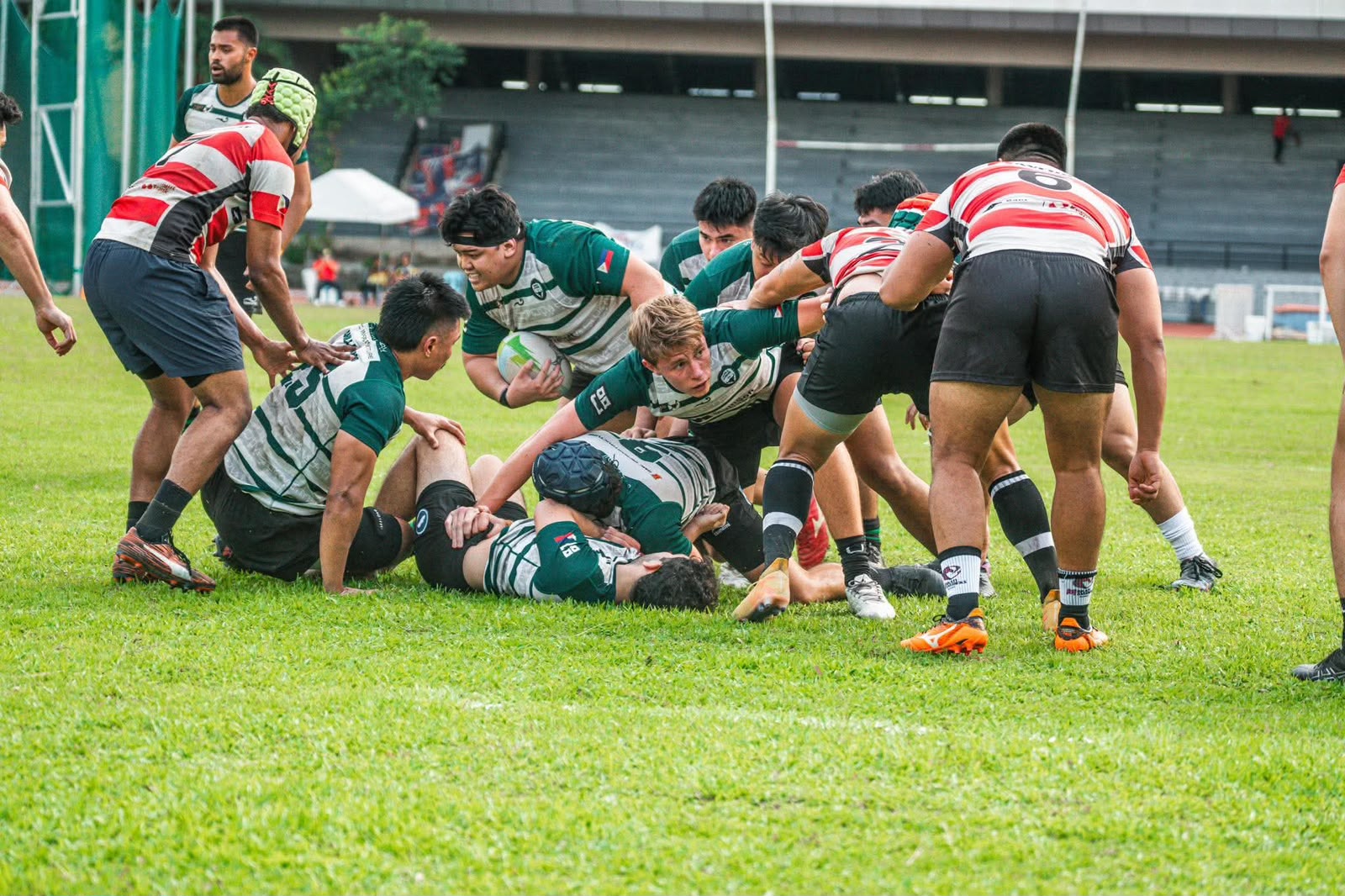
JM Cardenas of the Philippine Volcanoes Rugby Team
For JM, it is defiance. For Ezra, relentless. For Malcom, prepared. For Ken and Maui, proud. For Ardiel, discipline. For Jason, change. For Raphael, grateful.
Different words. One jersey. One dream.
For Morales, earning his first national team call-up made every sacrifice worthwhile.
“Representing the Philippines had always been a dream of mine,” he shared. “Earning my first national team call-up made every obstacle worthwhile.”
For Cardenas, every setback became another reason to push harder.
“It was a relentless pursuit to prove I belonged out there every single second.”
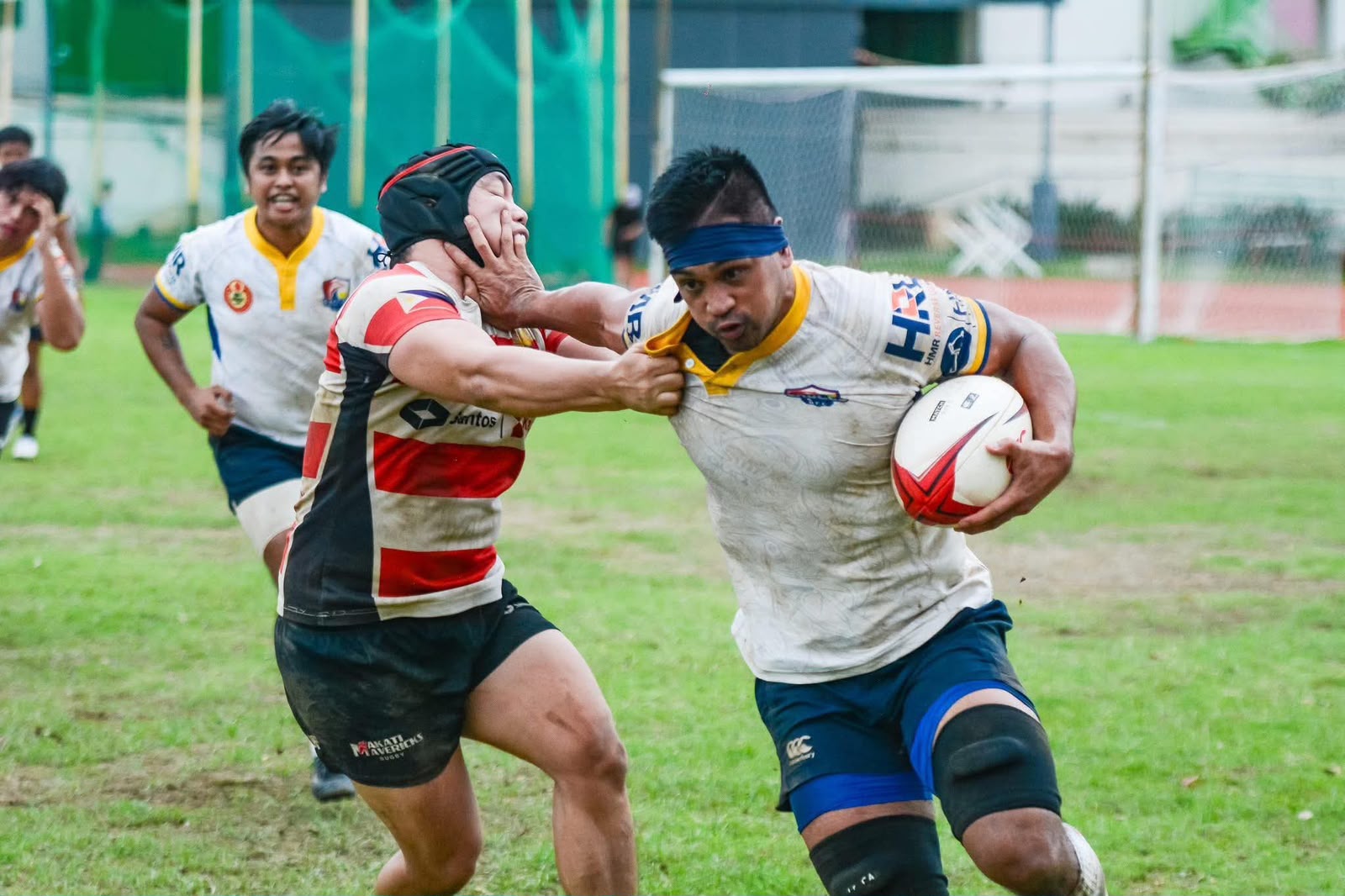
Malcom Mostoles of the Philippine Volcanoes Rugby Team
For Mostoles, disappointment became motivation. Missing last year’s Union Cup squad became the fuel that pushed him to prepare for another opportunity.
Lapid believes championships are built long before match day.
“I had to be disciplined enough to put in the work during every rugby training and strength and conditioning session—even when no one was looking.”
For Schirmer, the biggest transformation wasn’t physical. It was perspective.
“You not only want to make the team. You want to give your community something they can be proud of.”
Mellorin reflects on how far the journey has taken him—from his earliest days in rugby to proudly representing the Philippines on the international stage.
For Reoperez, the reward extends beyond simply making the squad.
“The work we’ve put in, both individually and as a team, to reach this point has been immense, and we can’t wait to show what we’re capable of in Bangkok.”
More Than a Team
If every player shares one lesson, it is that nobody reaches the national team alone.
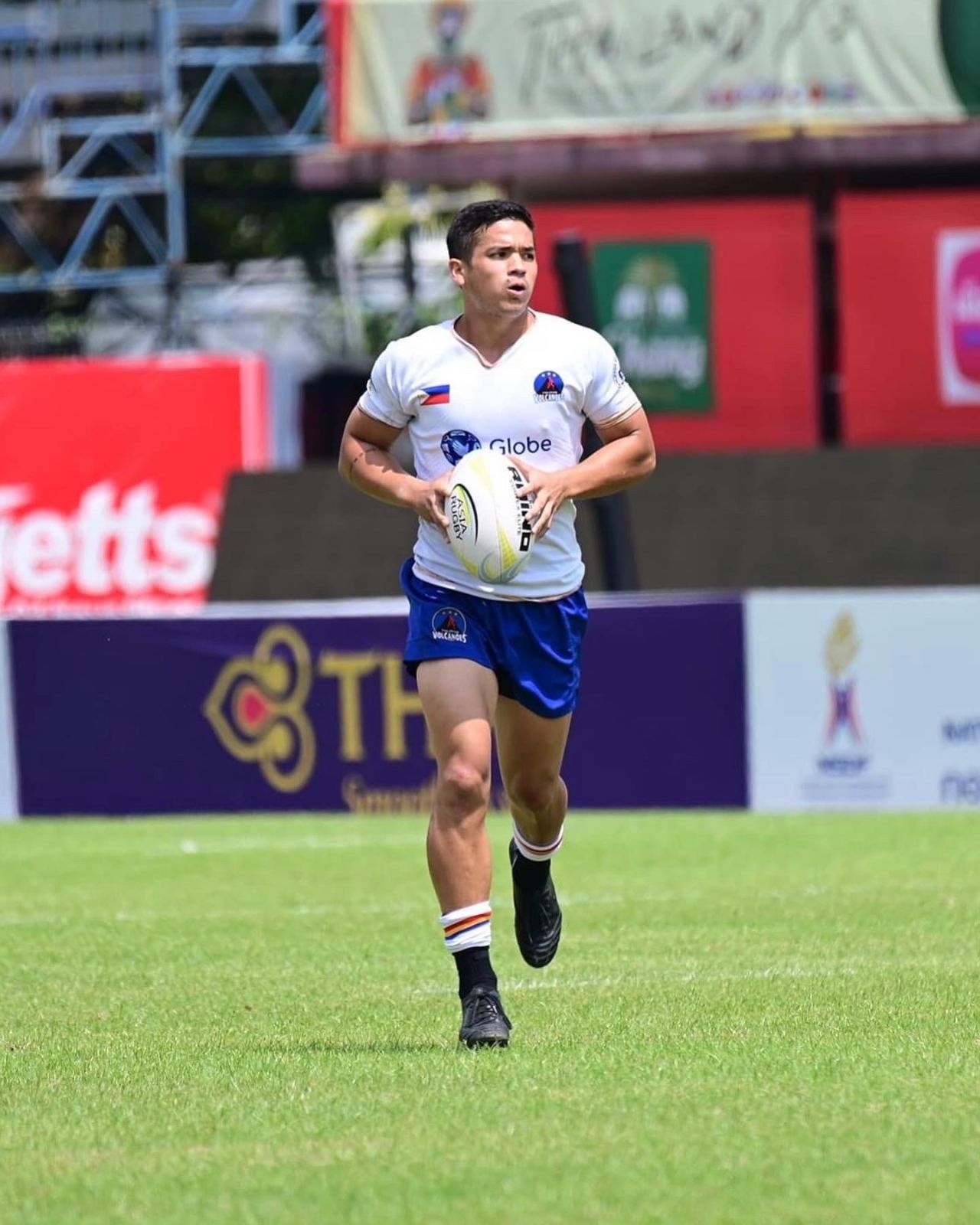
Kai Ledesma Stroem of the Philippine Volcanoes Rugby Team
Morales credits his family, girlfriend, coaches, and teammates for believing in him long before he became a Volcano.
Cardenas says his fiancée, Nicole, along with teammates and coaches, kept him grounded through every challenge.
Mostoles still lives by the lesson his high school coach taught him:
“Hard work beats talent when talent doesn’t work hard.”
Lapid credits the Manila Nomads family, from coaches who gave him opportunities to teammates who stayed behind for extra training sessions. Above all, he thanks his wife for supporting him through the physical and emotional demands of pursuing rugby at the highest level.
Schirmer’s rugby journey began with a simple invitation. As a young boy, he was introduced to his first junior rugby session with Makati Mavericks by Raphael Barberis. Years later, the two now stand side by side in the Philippine Volcanoes squad. A full-circle moment that perfectly reflects the close-knit nature of the rugby community.
For Barberis, who has spent 13 years with Manila Nomads Rugby after first picking up the sport at just six years old, representing the Philippines never loses its meaning.
View this post on Instagram
“Grateful,” is the one word he uses to describe this year’s Union Cup journey.
“Philippine rugby has given me so much over the years, and I’m very grateful for the opportunity to represent the country once more in a different team environment.”
Reoperez credits the culture built by Makati Mavericks, while Mellorin says every coach, teammate, mentor, family member, and supporter has helped shape the player he has become.
Barberis credits his father for introducing him to rugby and instilling the values that continue to shape him today. He also thanks his mother, sister, and teammates for becoming his constant support system, describing the healthy competition within the squad as something that continually pushes him to become a better player
Changing the Way Filipinos See Rugby
For these athletes, rugby is about far more than the tackles.
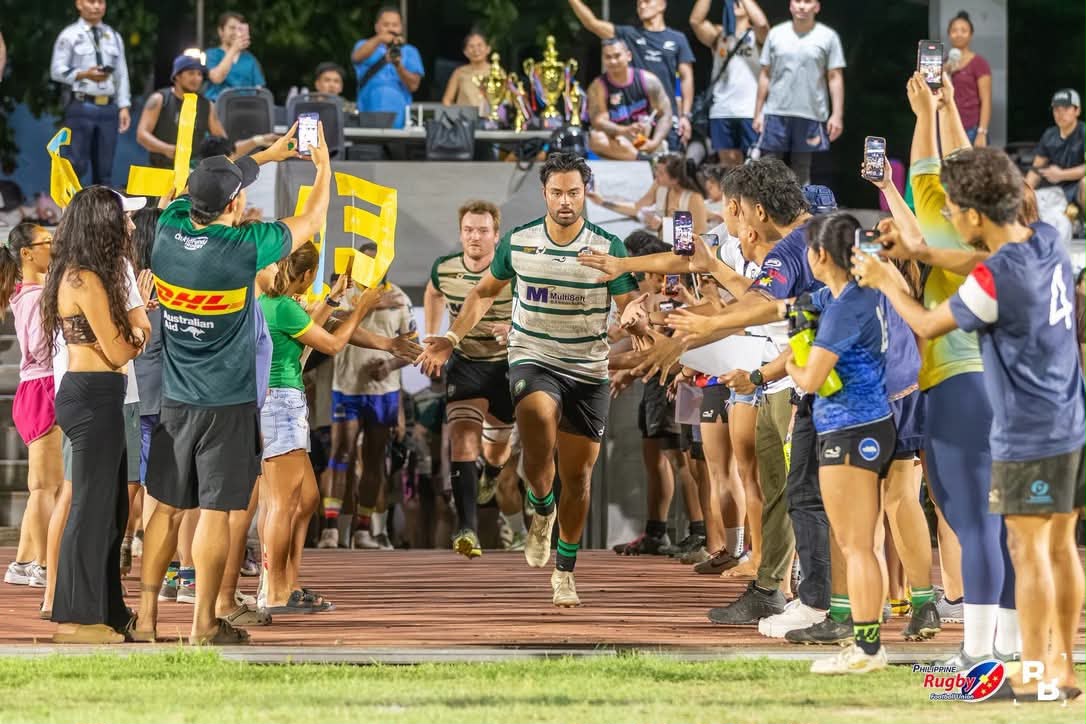
Raphael Barberis of the Philippine Rugby National Team
Many Filipinos still associate the sport with physical collisions. But ask the players what keeps them coming back, and the answers sound remarkably similar: community, respect, discipline, belonging.
Mellorin believes rugby is about teamwork and lifelong friendships.
Cardenas believes Filipinos possess the resilience, determination, and heart to succeed in the sport.
Morales hopes more people recognize the passion within Philippine rugby, where athletes often balance work or studies while training simply for the privilege of representing the country.
Lapid hopes more Filipinos understand that rugby is open to everyone, not just expats or elite athletes but anyone willing to learn, compete, and become part of the community.
Schirmer believes rugby and Filipino culture naturally complement one another.
“Filipinos are one of the most passionate and community-oriented cultures in the world. Rugby is the type of sport where people who share those values succeed.”
Barberis believes the greatest lesson rugby offers extends far beyond the field.
“The camaraderie and the relentless attitude you need to win are values that apply to every part of life.”
Mostoles offers perhaps the simplest message of all:
Never underestimate Philippine rugby.
Building the Next Generation
While the spotlight shines on this group of homegrown players, they are joined by experienced national team campaigners who continue to mentor the next generation.
The squad is further strengthened by fellow homegrown players Fausto Eizmendi, while Raphael Barberis continues to demonstrate how one generation of local players now inspires the next, not only through performances on the field, but by introducing young athletes like Schirmer to the game years before they would one day become national teammates.
For Philippine Rugby Football Union President Ada Milby, that’s the real story.
“Every Volcano starts in a local club,” Milby said.
“Seeing players progress from our local clubs to the Philippine Volcanoes is one of the most rewarding parts of what we do. It shows that when communities invest in young athletes, provide opportunities to play, and believe in their potential, incredible things can happen. This team isn’t just defending a title—it represents years of investment in our clubs, our coaches, and our community. We hope their journey inspires more Filipinos to discover rugby.”
Their journey also reflects the realities many athletes in developing sports continue to face. While the Philippine Sports Commission has provided valuable support, additional funding was still needed to ensure the team’s participation in this year’s Union Cup. Earlier this year, the Philippine Rugby Football Union launched a GoFundMe campaign, with supporters, alumni, partners, families, and the wider rugby community rallying together to help send the defending champions back to Thailand.
As the saying goes, it takes a village to raise a child. In sport, it takes an entire community to build champions, and an even stronger one to sustain them.
Every early morning training session. Every volunteer coach who stayed after practice. Every parent who drove to training. Every local club that opened its doors. Every supporter who donated. Every fan who believed.
They all became part of this journey.
Catch the matches live by following the Philippine Rugby Football Union’s official Facebook and Instagram accounts. For match schedules, updates, and more information, visit www.philippines.rugby.