
With Manila traffic getting worse as pandemic restrictions eased, Filipinos are back to hours on the road.
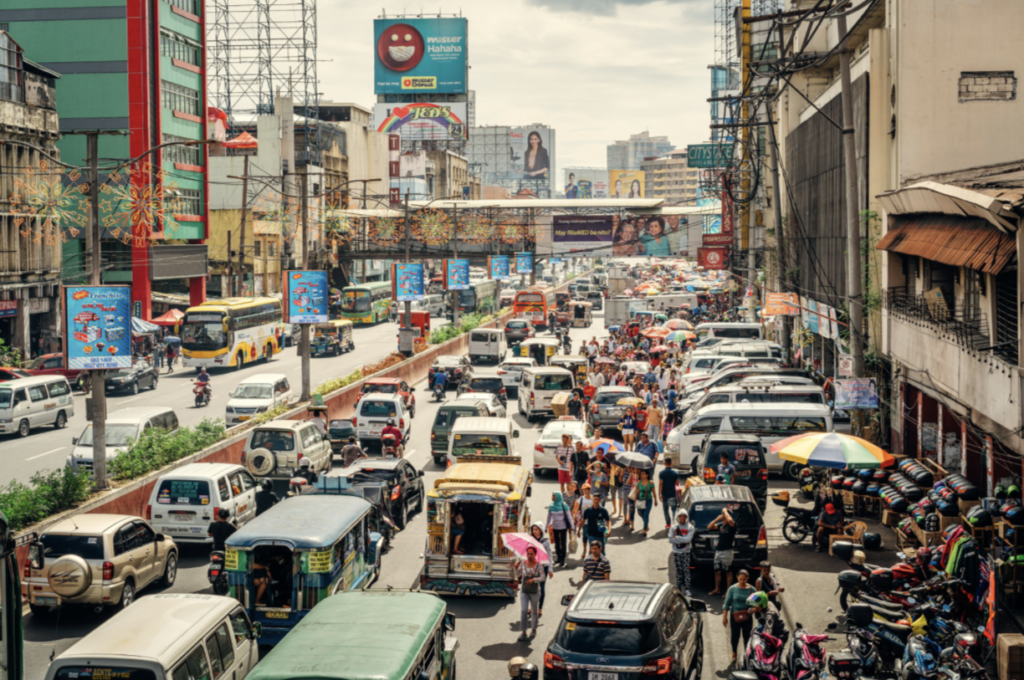
In a research by GoShorty, they studied the TomTom Congestion Index and identified the countries with the highest amount of low emissions zone schemes implemented to determine which of the world’s cities have the busiest roads. The full research can be found here.
The list of traffic cities is cited below with an annual average of hours spent on traffic.
|
Rank |
City |
Country |
Annual Hours in traffic |
Congestion Level |
|---|---|---|---|---|
|
1 |
Istanbul |
Turkey |
142 |
62% |
|
2 |
Bogota |
Colombia |
126 |
55% |
|
3 |
Mumbai |
India |
121 |
53% |
|
4 |
Bucharest |
Romania |
115 |
50% |
|
5 |
Bengaluru |
India |
110 |
48% |
|
5 |
New Delhi |
India |
110 |
48% |
|
7 |
Lodz |
Poland |
103 |
45% |
|
8 |
Tel Aviv |
Israel |
98 |
43% |
|
9 |
Tokyo |
Japan |
98 |
43% |
|
10 |
Manila |
Philippines |
98 |
43% |
Istanbul, the most populated city in Turkey and Europe, is officially the most congested city in the world, with a congestion level of 62%. Residents of the Turkish capital spend around 142 hours in traffic jams – the equivalent of nearly 6 whole days. The city saw an 11% increase in traffic from 2020, meaning that on average, car journeys will take 62% longer.
One of the largest cities in the world, Bogota, ranked second with a congestion level of 55%. In 2021, Bogota lost 126 hours to traffic, making a drive in the city look a little less appealing.
Concluding the top three in Mumbai, the capital city of the Indian state of Maharashtra, and is the eighth most populous city in the world, with around 20 million people. While the city had a congestion rate of 53% as of the year 2021, it saw no decrease from the year before. In addition, the traffic has decreased by 12% since 2019, marking a positive change in traffic and potentially the emissions in the city.
Manila is at the 10th spot as annual hours in traffic go up to 98 hours with a congestion level of 43%.