
A tale told across millennia is brought to life in cinemas in The Odyssey, Christopher Nolan’s adaptation of the Greek epic. Shot across six countries – Morocco, Greece, Italy, Iceland, Scotland and the United States – the film features an all-star cast that includes Matt Damon, Anne Hathaway, Tom Holland, Robert Pattinson, Lupita Nyong’o, Charlize Theron, Zendaya, and more.
As Nolan’s 13th feature, he feels that The Odyssey will be his most expansive cinematic work yet. “Your experience as a filmmaker informs the choices you make in a number of different ways, including what you feel prepared for, what you feel that you have the skill set for, and what will give you a new challenge but builds on what you’ve done before,” Nolan says.
“The Odyssey is an incredible work that’s extremely important to the history of the world and development of culture, but it has never been adapted as a modern blockbuster. I was energized by the challenge of creating the mythic world of Ancient Greece and excited about telling its story, with all its rich themes, in a way I’d never seen.”
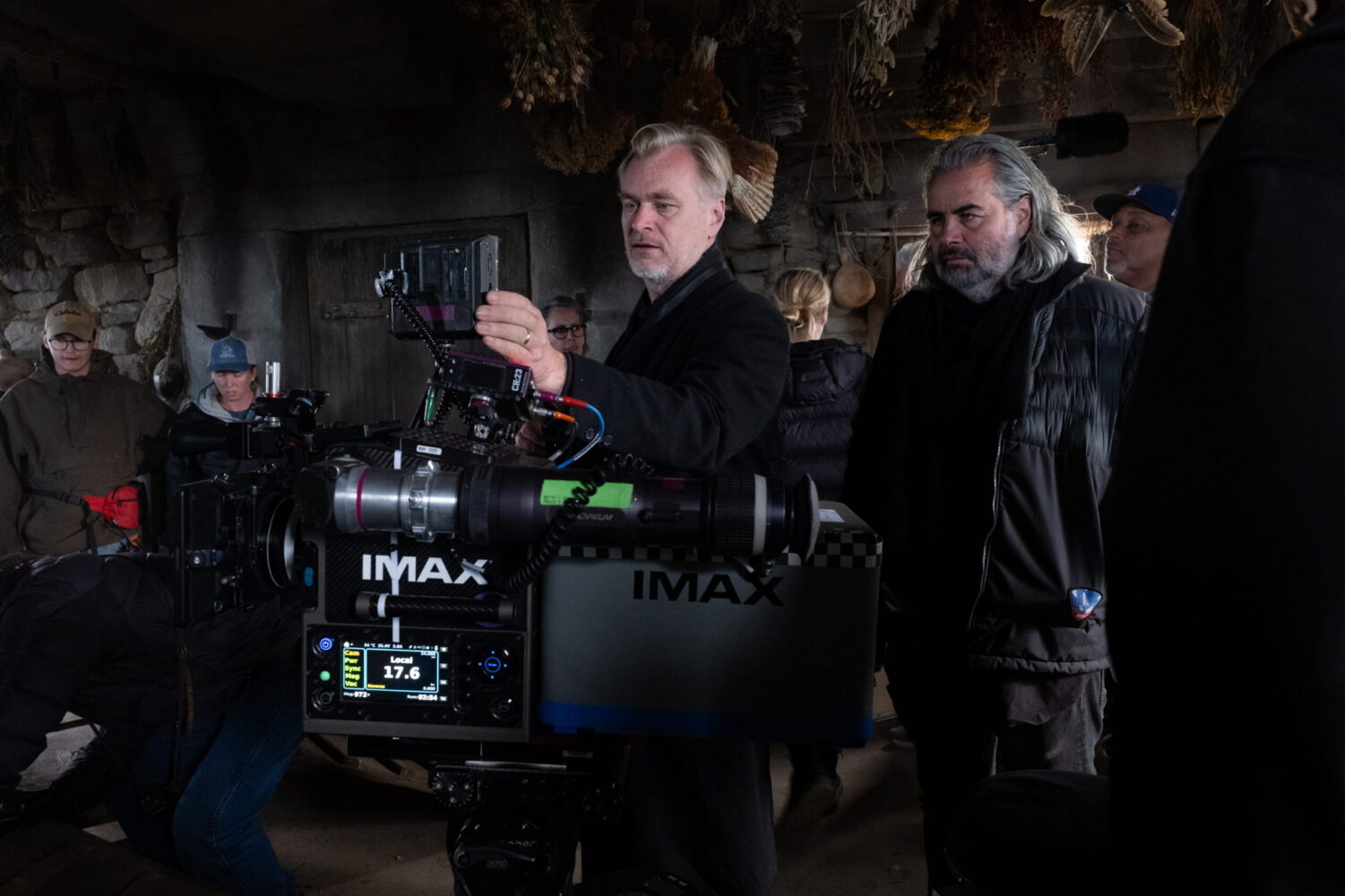
Photo from Universal Pictures
As a source material, The Odyssey, was a unique piece of work believed to be created around the 8th century BCE, though scholars believe it has evolved in content as the story was passed down through generations of oral storytellers.
Within the twisting, non-linear narrative of the work stands two central figures: Odysseus of Ithaca, the king who wins a war with the legendary Trojan Horse; and his son Telemachus, now an adult but was only an infant when Odysseus left for Troy. As Odysseus sets off on his perilous journey home, Telemachus holds out hope that his father is still alive. Meanwhile Penelope, Odysseus’ wife and Telemachus’ mother, has to navigate the complicated maze of Ithacan politics as suitors hound her to marry them and make one of them king.
Watch the trailer of The Odyssey here:
Nolan believes that The Odyssey is such important work that it left its mark on most cinematic ventures. “Whether it’s the narrative through-line of Odysseus or the singular episodes that make the entirety of the epic, The Odyssey underpins almost all of cinema,” Nolan says. “It’s certainly there in every movie I’ve ever made, to a degree I never before realized. It was a fun thing to discover as I got into the work of adaptation.”
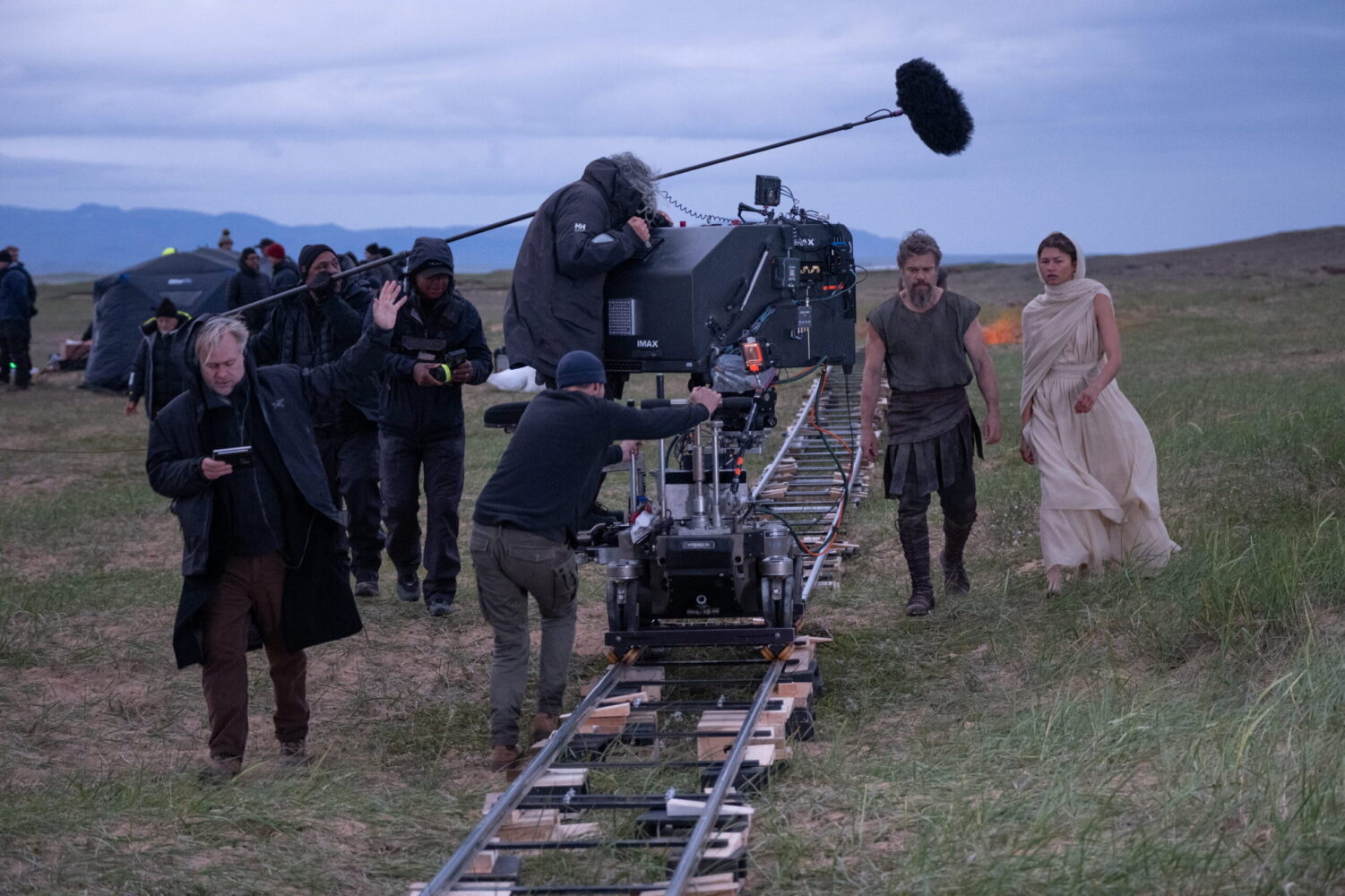
Photo from Universal Pictures
In The Odyssey, the audience will feel the immense passion Nolan has for practical effects, live stunt-work, and real locations, merged with modern visual effects. “I’m a big fan of film history, particularly the silent era,” Nolan says.
“Some of the attractions of cinema to audiences back then were things that also speak to audiences now. Extraordinary sets, extraordinary locations, a cast of thousands. Part of the appeal of those spectacles was that these effects were generated practically, with real sets, locations and scores of extras.”
“Over time, with visual effects technology, a lot of that got lost. What has long interested me is the ability to combine those two things to create the most immersive and powerful experience possible. We can return to an older era of filmmaking, where ‘in-camera’ spectacle was everything for audiences. But we can also address the fantasy through the power of visual effects. For me, this synthesis was an appeal of the project. We are trying to do it all. Which seems totally appropriate for what the Odyssey is and needs to be on screen.”
To bring such a story to life was an immense undertaking, and it was par for the course for as The Odyssey might just be one of the most important literary works of all time. Nolan took it all in stride, saying, “It was a hard job, as it should be. It’s The Odyssey.”