
While teenage pregnancy has been a longstanding problem in the Philippines, many remain oblivious to a more concerning reality beneath the surface issue.
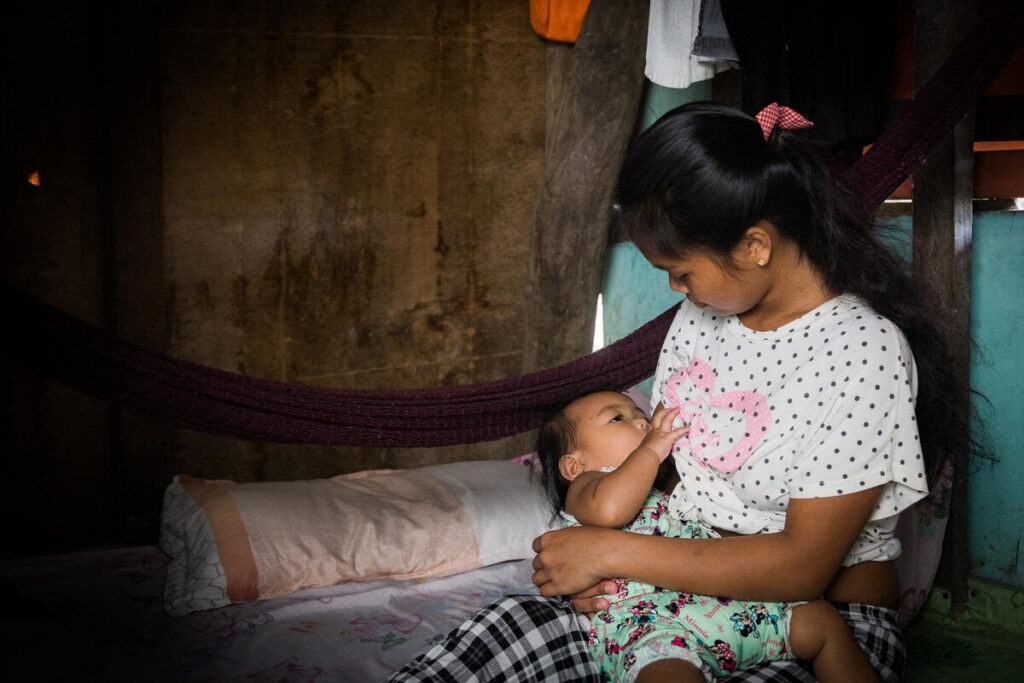
Photo: World Vision Philippines
According to data from the Philippine Statistics Authority (PSA) and the United Nations Population Fund (UNFPA), 59 percent of registered adolescent births in the country are fathered by men aged 20 and older. Furthermore, approximately six to seven percent of babies born to teen mothers are fathered by men more than a decade older than them, raising urgent legal and child protection concerns.

Photo: Aditya Romansa/Unsplash.com
This metric reframes a growing national crisis: while overall teenage pregnancies among 15- to 19-year-olds have steadily declined, child pregnancies among young girls aged 10 to 14 have surged. PSA data showed that live births among 10- to 14-year-olds climbed steadily over recent years, reaching 3,135 in 2022 and rising further to 3,343 the following year.
Commission on Population and Development (CPD) officials have noted that this trajectory marks a crucial shift from general “teenage pregnancies” to “child pregnancies.”
Government reports further indicate that thousands of young mothers face predatory age gaps, placing many cases squarely within the realm of criminal exploitation. Under Republic Act No. 11648, signed into law on March 4, 2022, the statutory age of sexual consent in the Philippines was raised from 12 to 16 years old.
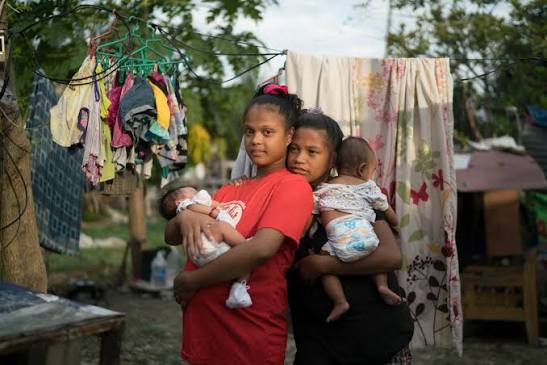
Photo: Change.org
Article 266-A (1)(d) of the amended Revised Penal Code establishes that sexual relations with anyone under 16 automatically constitute statutory rape, as legal consent is conclusively presumed impossible due to the victim’s minor status.
“If you look at the entire year, all births to children in that bracket would fall under the category of statutory rape. And the numbers are quite alarming,” said Dr. Juan Antonio “Jeepy” Perez III, former executive director of the CPD.
“Kasi majority ng nakakabuntis sa ating mga adolescent mothers ay mga matatandang lalaki… So we have to take into consideration the child protection complexion,” added Angelo Tapales, executive director of the Council for the Welfare of Children (CWC), during an interview with Bagong Pilipinas Ngayon.

Photo: Rod Long/Unsplash.com
Experts attribute the persistence of child pregnancies to poverty, limited educational access, earlier exposure to online sexual content, and parental misconceptions that young children are safe from sexual exploitation.
Dr. Leila Joudane, United Nations Population Fund (UNFPA) country representative, underscored that tackling adolescent pregnancy requires broad societal involvement and engaging people of all genders.
”We need to promote men and boys’ engagement. It’s not just an issue of women, of adolescent girls only. It’s an issue of the entire society,” she said.
ALSO READ: Pregnancy Rate Among Girls Aged 10-14 In The Philippines Rises
Do you have a story for the WhenInManila.com Team? Email us at wheninmanila@gmail.com or send us a direct message at WhenInManila.com’s Facebook Page. Interact with the team and join the WhenInManila.com community at WIM Squad, and join our Viber group to stay updated with the latest around the Philippines and beyond!