The United Nations is coordinating with the Philippine government and partner agencies to strengthen the country’s climate disaster responses amid the potential risks and impact of El Niño.
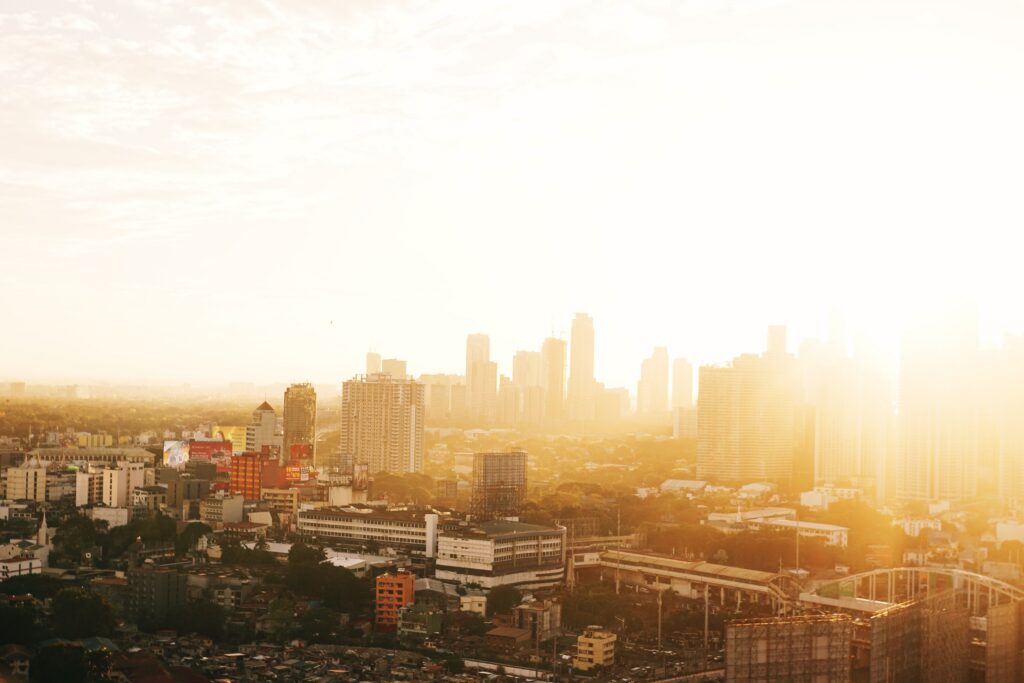
Photo: Alexis Ricardo Alaurin/Pexels
Tristan Burnett, chief of mission of the International Organisation for Migration (IOM) and chairperson of UN Philippines’ technical group on climate action, environmental sustainability, and disaster resilience, addressed the country’s current El Niño situation in a statement.
“The Philippines is facing an increasingly complex and interconnected risk landscape, where climate shocks are no longer isolated environmental events but significant development challenges,” she said on October 22, 2026.
“El Niño is intensifying drought, extreme heat, and water scarcity, while other hazards such as typhoons and flooding continue to affect communities across the country,” she added.
Burnett underscored El Niño’s impact on the country, saying it will disrupt major sectors like agriculture, food security, health, and the economy.
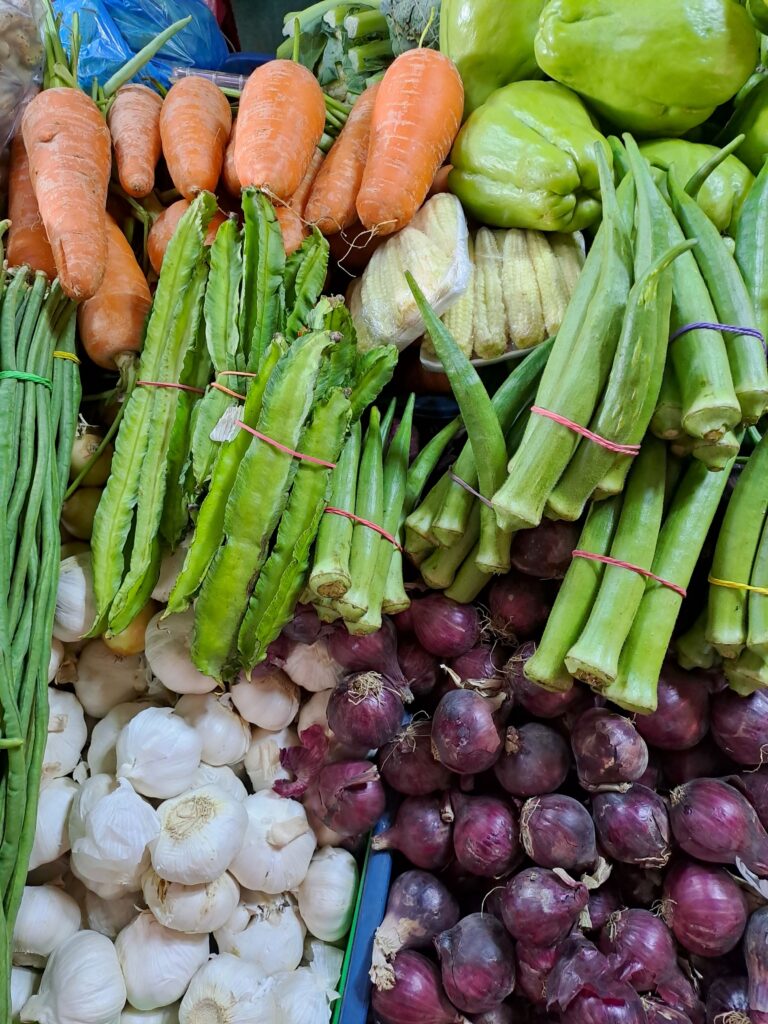
Photo: Jeson Cabilic/Pexels
“Climate shocks can also worsen existing vulnerabilities, particularly in communities already facing development and recovery challenges,” she said.
In response to the growing crisis, Burnett said that they are closely monitoring El Niño in the Philippines with the government to develop action plans focused on anticipatory action, climate-informed planning, ecosystem-based approaches, and socio-economic resilience.
Emphasizing that the health sector will also be affected by the global climate phenomenon, she noted that they are working with national and local authorities in the Philippines to strengthen healthcare resilience.
“These efforts help translate national commitments into locally led action and ensure that climate, disaster risk reduction, and development planning are fully connected,” Burnett remarked.
Burnett also highlighted the importance of a whole-of-government and whole-of-society approach to building a country’s resilience against disaster and climate shocks.
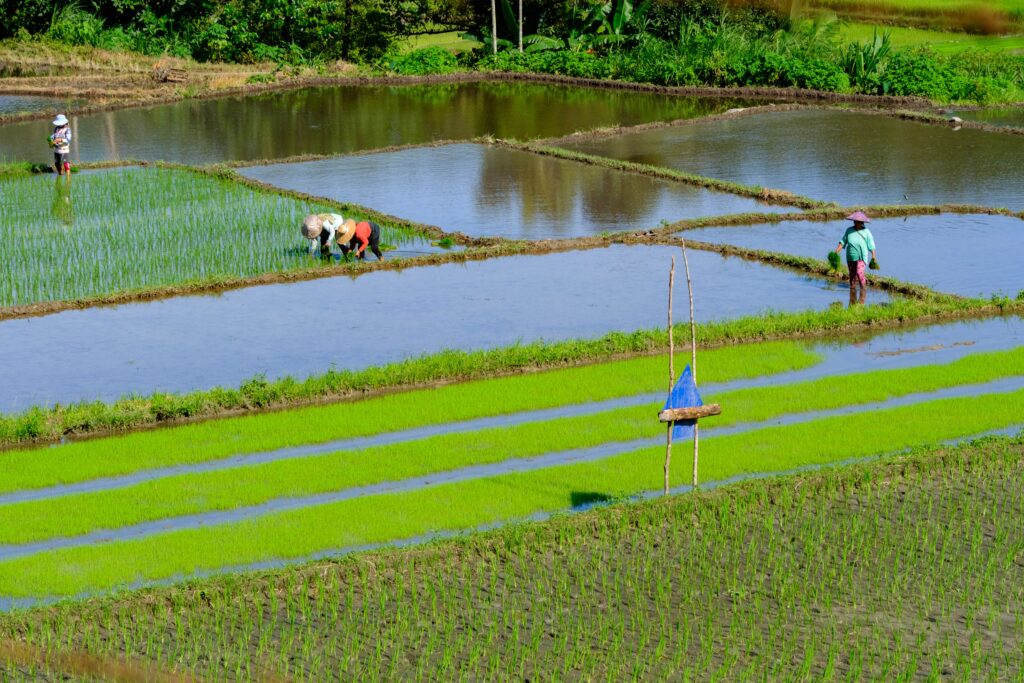
Photo: Neil Clark Ongchango/Pexels
Burnett reiterated that climate shocks do not have to become crises that will displace communities. Instead, tools, data, and science can help develop a crisis management plan that helps the government respond and prepare for possible effects.
Furthermore, she called for investing in anticipatory action, strengthening food systems, empowering local agencies, and reducing displacement risks to protect people’s lives and livelihoods as El Niño continues to pose a threat.
“The United Nations remains firmly committed to supporting the government of the Philippines and all partners in building a more resilient future where people, communities, and institutions can anticipate, withstand, recover from, and adapt to climate and disaster risks, so that development gains are protected, and no one is left behind,” Burnett emphasized.
Do you have a story for the WhenInManila.com Team? Email us at wheninmanila@gmail.com or send us a direct message at WhenInManila.com’s Facebook Page. Interact with the team and join the WhenInManila.com community at WIM Squad, and join our Viber group to stay updated with the latest around the Philippines and beyond!