
Craving iced coffee to escape the heat?
That sounds like a good idea, but ironically, that same heat threatens Philippine coffee production: Philippine Coffee Board, Inc. reports that domestic coffee production in the Philippines is projected to fall below 30,000 metric tons this year because rising temperatures from the El Niño phenomenon are driving it down.
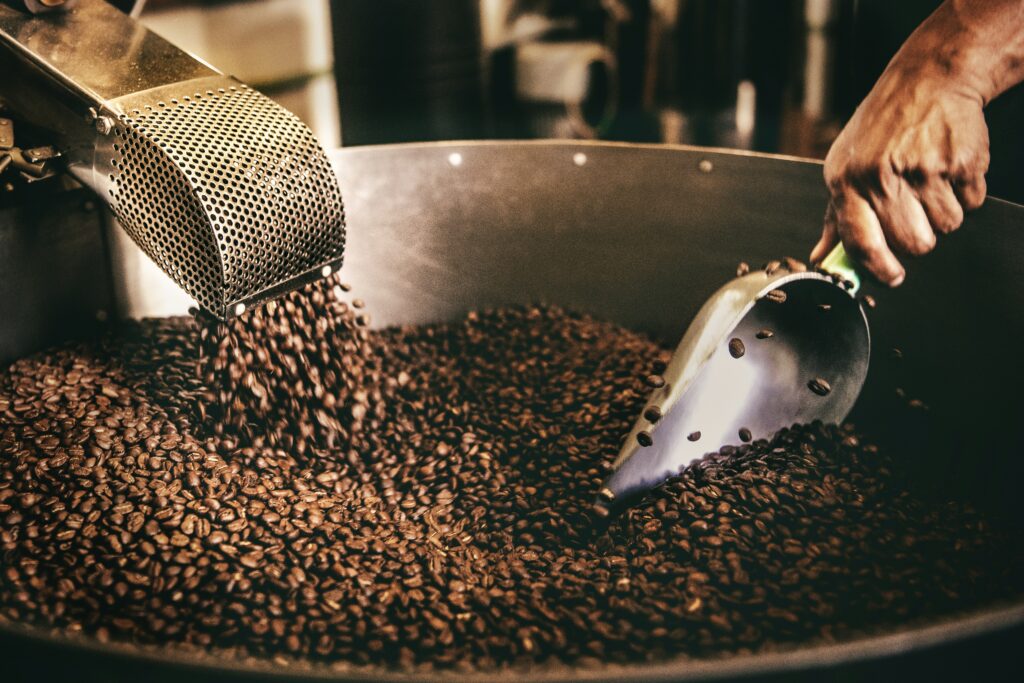
Photo: Tim Mossholder/Pexels
“Baka hindi pa tayo maka-30,000 metric tons, because at the rate it’s going,” stated Philippine Coffee Board, Inc. Chair Pacita U. Juan on October 15, 2026.
(“We might not even reach 30,000 metric tons, because at the rate it’s going.”)
She also shared that beans previously grown in low-lying areas may now need to be planted in higher areas because of rising temperatures around the globe.
In response to the possibility of a decline in the country’s coffee production, PCBI Chair Juan said they plan to give farmers alternative beans, particularly more resistant varieties.
“Liberica, excelsa, diba, dati hindi pinapansin ang barako, so ngayon tamang-tama ‘yung coffee market, nag-adjust rin ‘yung taste nila, hinahanap nila ‘yung lasang prutas… so liberica has that quality,” she explained.
(“Take liberica and excelsa. Before, barako used to be ignored, but now the coffee market has adjusted its taste; they’re looking for fruity flavors… and liberica has that quality.”)
Juan also shared that all member states of the ASEAN Coffee Federation, including Malaysia, Indonesia, and the Philippines, are banding together to develop the same climate-resilient bean varieties, like liberica, excelsa, and robusta.
“Ang arabica kailangan nating ihanap ng mas matataas na lugar kasi baka even ‘yung mga 1,300 meters ngayon baka uminit na siya,” Juan added.
(“We need to find higher elevation areas for arabica because even places around 1,300 meters high right now might become too warm.”)
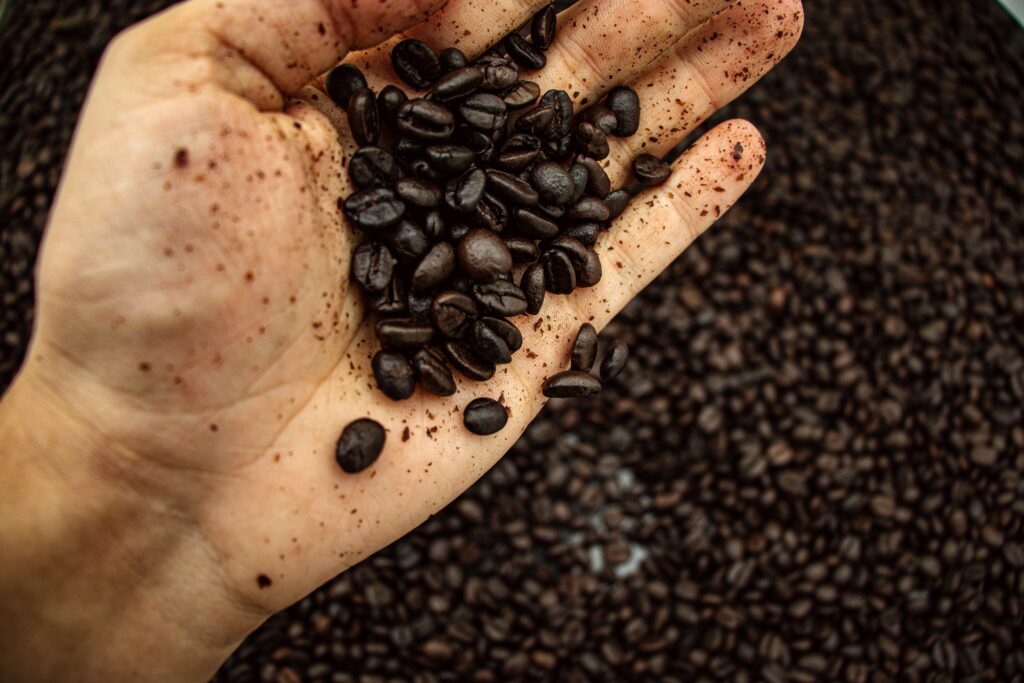
Photo: CAPITAL9GOOD/Pexels
Furthermore, Juan explained the need to look for an area with higher elevation in relation to cultivating coffee: “Kailangang tayong humanap ng lugar ngayon na 1,800, 2000 kasi every so many hundred meters, meron ‘yang decrease in temperature (We need to look for a place that is 1,800, 2000 meters high because every so many hundred meters, there will be a decrease in temperature).”
PH coffee prices may see an increase in 2027
Meanwhile, in another interview on October 21, PCIB Director Manny Torrejon said coffee prices could increase next year.
He clarified that coffee prices rose last year because of the tight market in Brazil, which is reflected in Philippine coffee prices today.

Photo: Rachel Claire/Pexels
According to Torrejon, the projected domestic coffee production numbers this year will have an effect, particularly for those who consume only local coffee.
However, he also noted that general coffee prices have been “more or less stable since last year,” which could help the market absorb the production drop without causing a drastic increase in coffee prices.
ALSO READ: LOCAL LEGENDS: Addressing the Coffee Crisis in the Philippines
Do you have a story for the WhenInManila.com Team? Email us at wheninmanila@gmail.com or send us a direct message at WhenInManila.com’s Facebook Page. Interact with the team and join the WhenInManila.com community at WIM Squad, and join our Viber group to stay updated with the latest around the Philippines and beyond!