With fuel prices continuing to rise, transport officials are looking at alternatives that could ease both commuting and driving costs. One of the latest proposals on the table is a carpooling program being developed by the Metropolitan Manila Development Authority (MMDA) and the Land Transportation Franchising and Regulatory Board (LTFRB).
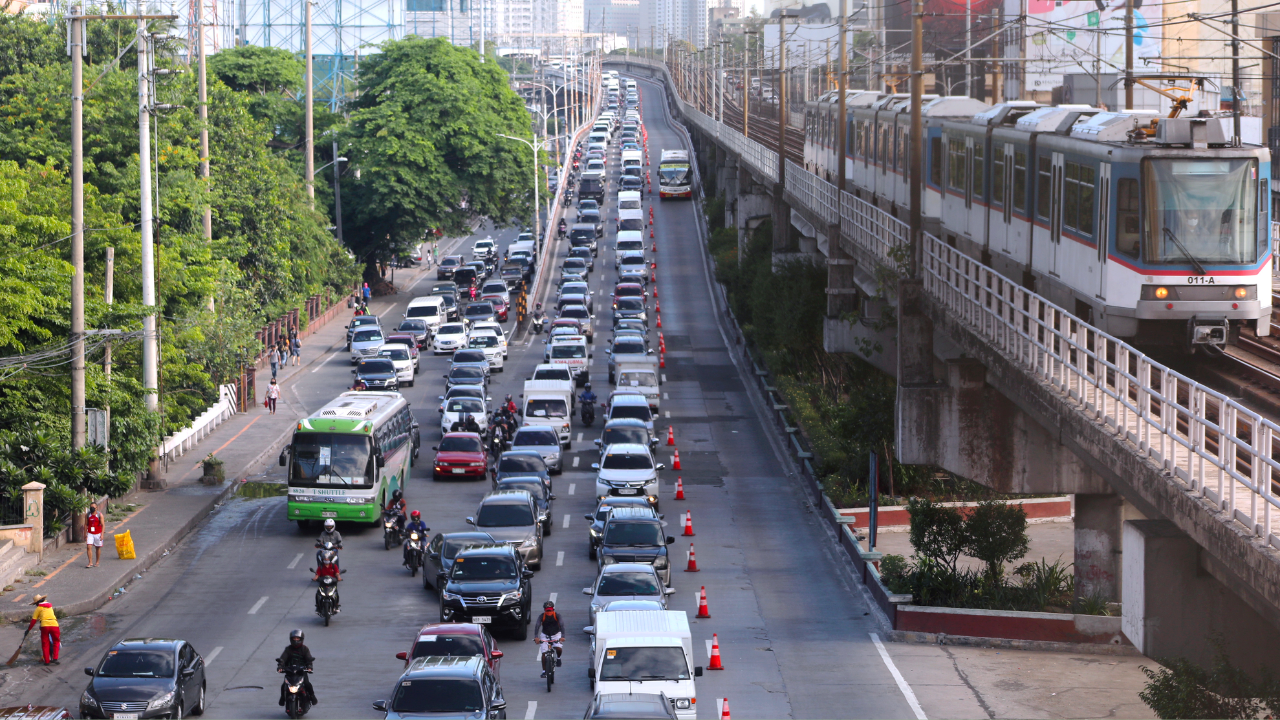
Photo: Philippine News Agency
The guidelines are still in draft form, but some key details have already been shared. Here’s a quick, straightforward look at how it might work.
Open to private car owners—for now
Under the proposal, private individuals can sign up their vehicles for carpooling. The idea is to allow more shared rides on the road, potentially reducing fuel consumption and easing pressure on public transport.
There’s also room for private companies to organize their own shuttle services for employees, which could be helpful for offices with fixed schedules.
Permits and QR codes will be required
Drivers who join the program will need to secure a special permit. Once approved, they’ll be issued a QR code that authorities can scan during inspections to verify that they’re part of the program.
Applications are expected to be done online, although specific requirements are still being finalized.
Two possible payment setups
The program is considering two ways passengers can pay:
- A shared contribution system, where riders split costs like fuel
- A paid ride setup, where the driver charges a fee
The second option would require a franchise, while the first would only need a permit. Authorities have emphasized that the program isn’t meant to become a full-blown profit-driven service.
Not meant to function like public transport
There will be limits to keep carpooling from operating like traditional public utility vehicles (PUVs).
Trips are expected to be point-to-point, with one main pick-up and drop-off. Multiple stops may be allowed within the same general area (like Ortigas), but not across unrelated locations.
There may also be a cap of two trips per day per vehicle, typically one in the morning and one in the evening. Routes will need approval from the MMDA and LTFRB.
Fares and pricing still under review
Government agencies will set parameters for fares, especially for drivers who plan to charge passengers. Officials have already signaled that while cost recovery is understandable, overpricing will be discouraged.
Why now?
The proposal comes as fuel prices continue to climb. Recent adjustments show diesel prices increasing significantly, with projections suggesting even higher costs in the coming weeks.
Transport data also reflects shifting behavior: fewer cars are on major roads like EDSA, while commuter numbers in terminals and ride-hailing services are rising.
When could it roll out?
Authorities are aiming to implement the program after Holy Week, though this will still depend on finalizing the guidelines.
ALSO READ: Here’s How Much Your Daily Commute Will Cost With the Fare Hikes
What are your thoughts on this? Let us know in the comments.
Do you have a story for the WhenInManila.com Team? Email us at wheninmanila@gmail.com or send us a direct message at WhenInManila.com’s Facebook Page. Interact with the team and join the WhenInManila.com community at WIM Squad, and join our Viber group to stay updated with the latest around the Philippines and beyond!