
The European Union (EU) is providing €150,000 (about PHP 10.9 million) in humanitarian funding to support people affected by severe flooding across Luzon in the Philippines. The funding will benefit over 32,000 people in some of the hardest-hit areas, including the Ilocos Region, Central Luzon, and Metro Manila.
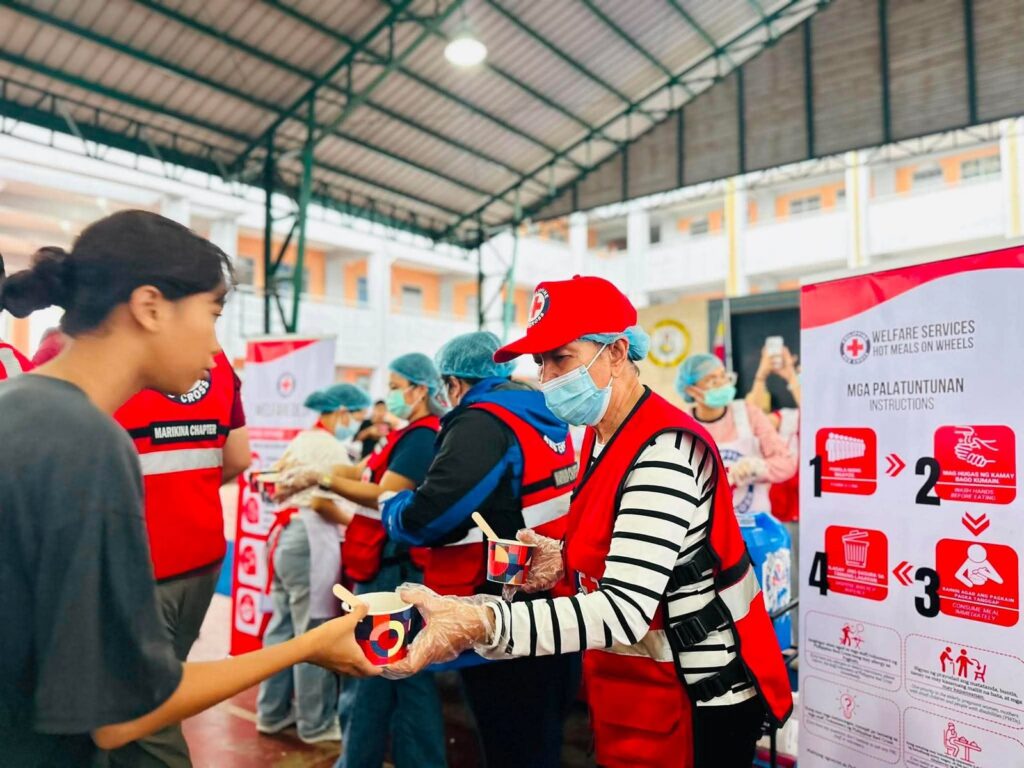
Photo: Philippine Red Cross
This EU funding will help the Philippine Red Cross (PRC) provide families with essential household items, including sleeping kits, water containers, and hygiene products.
The response will also provide hot meals and safe drinking water to people in evacuation centers and affected communities. Mobile health teams will offer medical consultations, medicines, health information, and mental health support. Hygiene promotion and disease monitoring will also be conducted to mitigate the risk of waterborne and vector-borne diseases, which frequently surge after severe flooding.
The funding is part of the EU’s overall contribution to the Disaster Response Emergency Fund (DREF) of the International Federation of Red Cross and Red Crescent Societies (IFRC). It adds to the more than P145.3 million already allocated to humanitarian partners in the Philippines at the start of 2026.
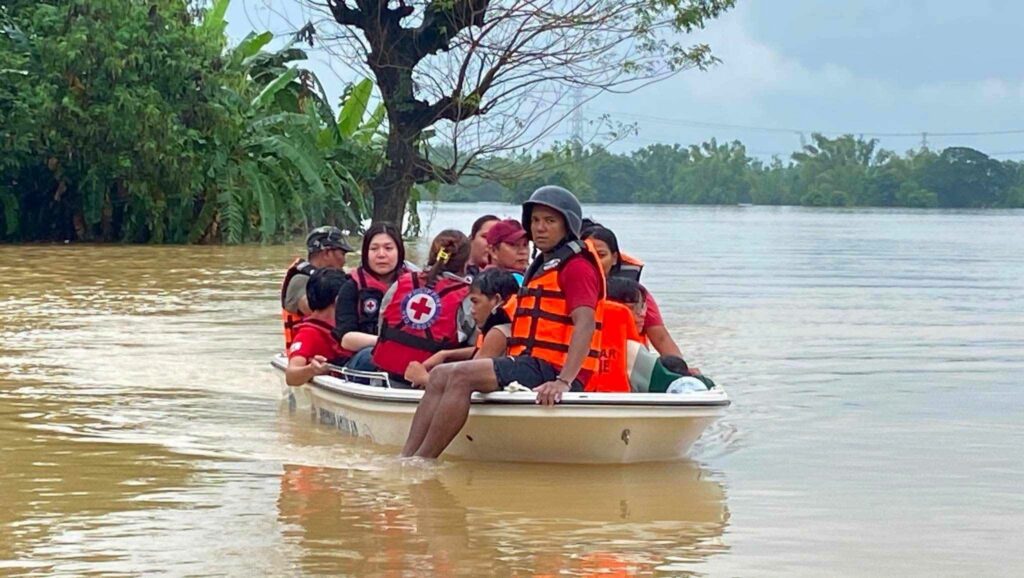
Photo: Philippine Red Cross
Since early August, the southwest monsoon, locally known as habagat, has intensified due to several tropical cyclones and weather systems. Prolonged heavy rain has caused widespread flooding and landslides across Luzon—particularly in low-lying, coastal, and mountainous areas—damaging homes, roads, bridges, farmland, water supplies, and power lines. Metro Manila has also been severely impacted.
By September 14, 2026, more than 10.5 million people had been affected across 11 regions, with over 120,100 people displaced across more than 500 evacuation centers. Additionally, over 4,500 homes have been damaged, and 188 cities and municipalities have been declared under a state of calamity.
Background
The EU and its member states are the world’s leading donor of humanitarian aid. Relief assistance expresses European solidarity with people in need around the world. It aims to save lives, prevent and alleviate human suffering, and safeguard the integrity and human dignity of populations affected by natural disasters and man-made crises.
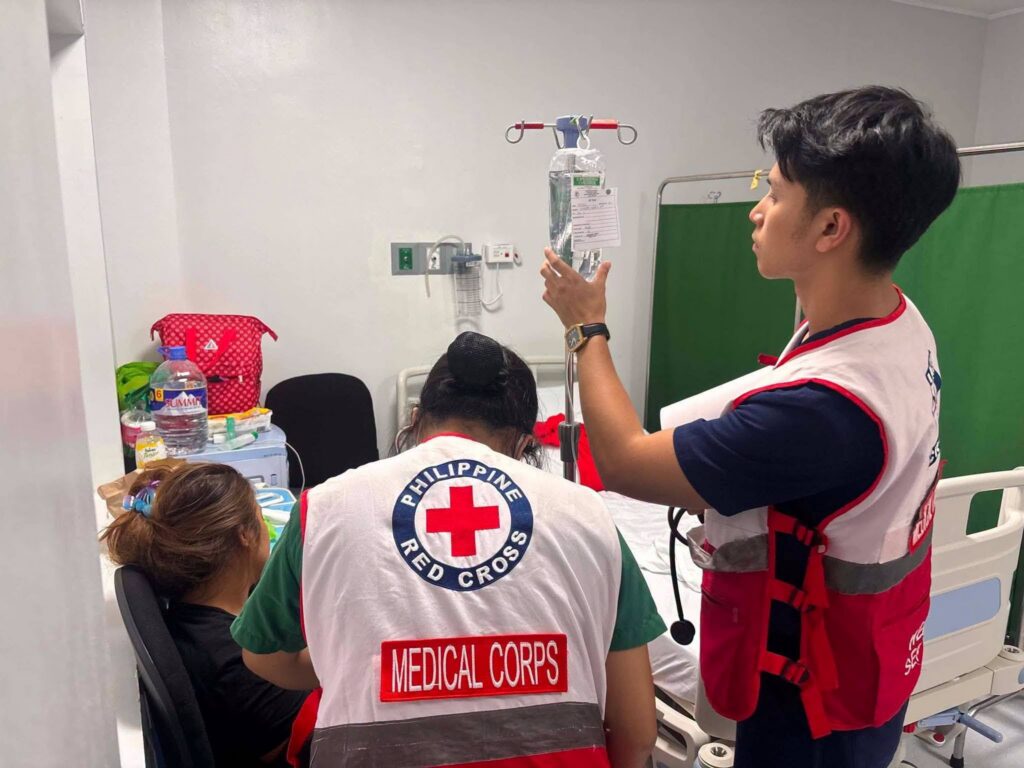
Photo: Philippine Red Cross
Through its Civil Protection and Humanitarian Aid Operations department, the EU helps millions of victims of conflicts and disasters every year. With headquarters in Brussels and a global network of field offices, the European Union provides assistance to the most vulnerable people solely on the basis of humanitarian needs.
The EU is a signatory to a P1,162.7 million humanitarian delegation agreement with the IFRC to support the Disaster Response Emergency Fund. Established in 1979, the DREF is supported by donor contributions. When a National Red Cross or Red Crescent Society needs immediate financial support to respond to a disaster, it can request funds from the DREF, which donors then replenish.
ALSO READ: ECONVERGENCE 2026 Highlights the Economic Cost of Disasters in the Philippines
Do you have a story for the WhenInManila.com Team? Email us at wheninmanila@gmail.com or send us a direct message at WhenInManila.com’s Facebook Page. Interact with the team and join the WhenInManila.com community at WIM Squad, and join our Viber group to stay updated with the latest around the Philippines and beyond!